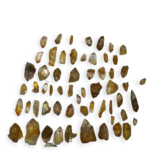


Quartz with Iron Coating from Shigar Valley, Gilgit-Baltistan (Pakistan)
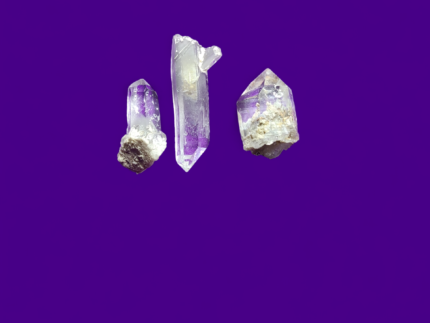
The iron Coating quartz crystals of the Shigar Valley and the Hashupi region in Gilgit-Baltistan are some of the best-known mineral specimens in the globe – and those that have natural iron glazes on them are particularly notable in terms of both aesthetic appeal and geological interest.
What Is Iron-Coated Quartz?
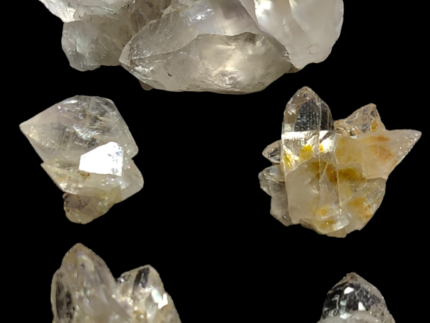
Quartz is a representative of silicate mineral that is made of silicon dioxide (SiO 2 ) and in general appears in crystal points that are clear and hexagonal in nature. During or after its formation, iron-crystallized fluids can affect the crystal surfaces, resulting in the formation of iron oxides (limonite or goethite) that then form a naturally occurring coating whose colour varies between rusty red and orange and golden yellow. This creates a breathtaking contrast of the clear quartz and warm iron colour.
The natural iron coatings are created in geological processes that take place over long periods of time, unlike artificial treatments which involve altering the surface of a stone to provide it with some sort of colour, the natural coating maintains the structure and integrity of the crystal.
Geological Origin: Shigar Valley and Hashupi Mine
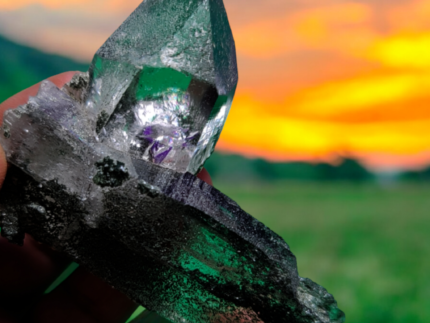
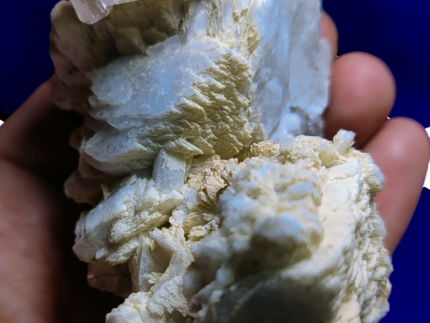
The Shigar Valley with its well-known Hashupi Mine of Skardu District, Gilgit-Baltistan, Pakistan is found as part of the scenic scenery of the Himalayan orogeny – where the Indian and the Eurasian tectonic plates were forced together, lifting the rocks and providing perfect conditions in which mineral-bearing fluids could circulate. This geological process helps in the development of high quality quartz specimens, which usually have peculiar mineral associations like iron-coatings and siderite.
Not only are these iron coated quartz crystals valued today as a source of beauty, but also due to their scientific and mineralogical history: they capture the intricate processes of silica rich hydrothermal fluids and iron bearing fluids that at one time percolated through the cracks and fissures of the crust of the earth.
Why Collectors Love Iron-Coated Quartz
Quartz with iron coatings from Pakistan is prized for several reasons:
1. Rare Natural Appearance
Clear quartz clusters are more common than the natural iron coatings. The coatings can only be formed under the geological conditions whereby only a perfect combination of the iron-rich fluids is provided when crystals grow or are weathered.
The difference in the color of ductile quartz, which is clear, and iron, which is warm, forms such specimens that are striking to the eye in the light, and are also striking in the exhibition.
3. Geological Significance
Each specimen tells a story of Earth’s deep processes — from hydrothermal circulation to oxidation — making them intriguing not just visually, but scientifically.
4. Display Appeal
Large iron-coated quartz clusters from Hashupi and Shigar often serve as the centerpiece in mineral collections, museum exhibits, and decorative displays worldwide.
Conclusion
Natural iron-coated quartz of the Shigar Valley and Hashupi Mine, Gilgit-Baltistan, Pakistan can be considered the attestation of the rich and lively geology of this area. The warm colors of these specimens, the elaborate crystal shapes and the peculiar geological history, make them much sought after by the collector, the amateur and mineral fanciers all over the world.
Regardless of the aesthetic appeal of its visual spectacle or the geological value of its iron-bearing quartz, iron-coated quartz in Pakistan is one of the most interesting mineral specimen that nature can create.