


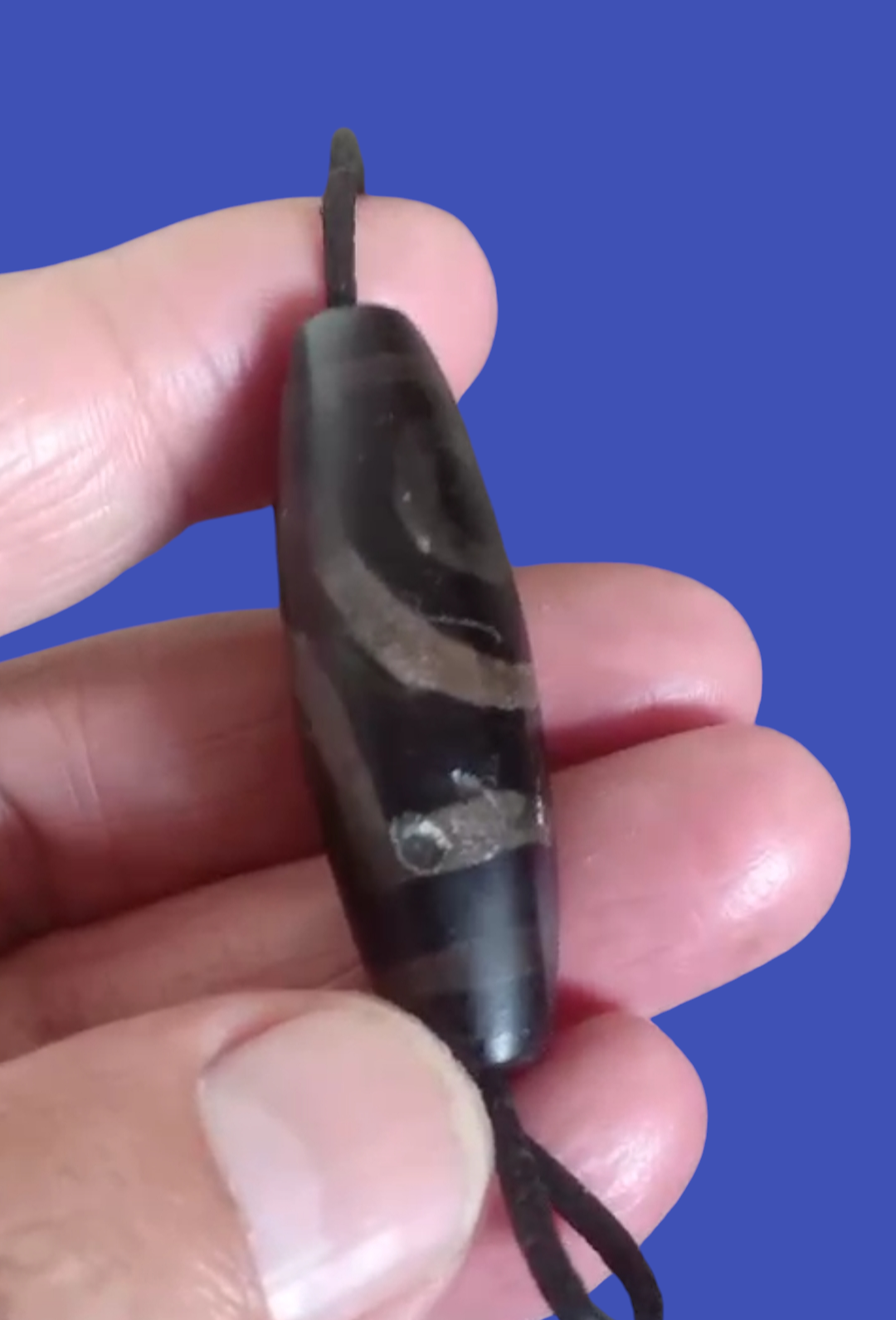
Sacred, priceless Dzi beads (pronounced ze-zee) are mystical gemstones, originally of Tibet and the Himalayan area, with spiritual connotations and recognizable etchings which have been treasured and valued all through history. Medieval monks and treasure-hunting collectors to spiritual seekers the world over have been fascinated with these beads not only because of their striking beauty and mystery but because of the astounding auction prices fetched by these beads in the international market. A few of the rarest ancient Dzi beads have sold in the hundreds of thousands and a few are even said to have been sold privately at over a million dollars.
This paper will discuss the most costly type of Dzi beads to be found in the world today, the reasons why they are expensive and why they are priced as they do.
What Are Dzi Beads?
Dzi beads are usually agate or chalcedony in composition and contain rather elaborate symbolic designs which are engraved through centuries-old etching. Such designs which used to include eyes, stripes, circles, and geometric designs are thought to have spiritual strength whereby the wearer gets protection, luck, wealth, and health.
It is however the ancient Tibetan Dzi beads that were created hundreds and even thousands of years ago in Tibet that are rendered with a lot of historical and financial value, widely crafted in China nowadays, but also made in Taiwan and Nepal.
💎 The Most Expensive Dzi Beads in the World
🥇 1. Nine-Eyed Dzi Bead (古老九眼天珠)
-
Estimated Value: $50,000 to $500,000+
-
Symbolism: Wealth, power, compassion, fame, and the clearing of karmic obstacles.
-
Why it’s valuable: One of the most popular and powerful Dzi beads. Traditional copies are very scarce, typically maintained by Tibetan families over the generational level.
🥈 2. Heaven’s Eye / God-Eye Dzi (天眼珠)
-
Estimated Value: $100,000 to $300,000
-
Symbolism: Spiritual awakening, protection from evil, and wisdom.
-
Why it’s valuable: The so-called Gods Eye is the one that is said to provide godlike vision and spiritual vision. The beauty of the shape of the eye and the details of etching make it more valuable.
🥉 3. Double Nine-Eyed Dzi Bead (双九眼天珠)
-
Estimated Value: $200,000 to $600,000
-
Symbolism: Doubling of Nine-Eyed Dzi powers — abundance, spiritual authority, and good karma.
-
Why it’s valuable: So rare, that they are usually stored in monasteries or handed down among the Tibetan nobility. Highly sacred.
4. Tiger Tooth Dzi (虎牙天珠)
-
Estimated Value: $10,000 – $150,000
-
Symbolism: Bravery, power, protection from enemies, and longevity.
-
Why it’s valuable: Good Tiger Tooth Dzi beads as natural, bold and symmetrical lines are becoming more difficult to find and the ones with signs of wear through use are even more rare.
5. Lotus Dzi Bead (莲花天珠)
-
Estimated Value: $30,000 – $100,000+
-
Symbolism: Purity, spiritual enlightenment, and inner peace.
-
Why it’s valuable: Symbolizes the flowering of wisdom with struggle. The few examples in the early era also are treasured both because they are beautiful, and because they have an interior meaning.
📜 Factors That Affect Dzi Bead Value
1. Age & Origin
-
Ancient beads from Tibet (estimated to be 1,000–2,000+ years old) are significantly more valuable than modern replicas.
-
Essentially, beads with a strong provenance, e.g. beads retrieved out of royal or monastic collections, are particularly sought-after Tibetan beads.
2. Pattern & Symbolism
-
Beads with more “eyes” or rarer patterns (e.g., Heaven’s Eye, Double Dragon, or Vajra motifs) command higher prices.
-
Unique patterns often carry strong spiritual meaning, which increases desirability.
3. Condition & Craftsmanship
-
Beads in excellent condition with crisp, symmetrical patterns are more valuable.
-
Surface weathering (indicating genuine antiquity) is desirable but cracks or breaks lower the value.
4. Material & Color
-
Genuine Dzi beads are made from natural agate or chalcedony, often with unique color zoning.
-
Translucent or beautifully banded beads with rich brown, red, or black tones are more collectible.
5. Cultural Significance
-
Beads with known histories or associations with famous lamas, spiritual masters, or royalty can skyrocket in price due to their sacred provenance.
⚠️ Authenticity: A Crucial Concern
Until recently the modern market is saturated with reproduction Dzi beads, some of them look visually very impressive but have little value historically or monetarily. Authentic ancient beads may frequently be distinguished by:
-
Microscopic signs of wear and burial
-
Etching degradation due to centuries of handling
-
Provenance through oral or recorded Tibetan lineage
-
Scientific analysis (e.g., Raman spectroscopy, thermoluminescence)
To prevent the use of expensive “imitation versions”, buyers are advised to buy only through good dealers, or have beads tested by professionals.
🏛️ Record-Breaking Dzi Bead Sales
Some ancient Dzi beads have sold for staggering amounts at auctions and in private collections:
-
A Double Nine-Eyed Dzi reportedly changed hands for over $1 million in a private Tibetan sale.
-
A Heaven’s Eye Dzi bead, once belonging to a high-ranking lama, was auctioned in Hong Kong for nearly $750,000.
-
Rare pattern beads (like the “Garuda Wing” or “Vajra Dzi”) have fetched $300,000+ when traced to ancient monasteries.
📿 Final Thoughts
To reduce the Dzi beads to mere ornaments would be an understatement since it is much more than that, they are spiritual relics, and cultural treasures, and artifacts of history. These world-leading, and most costly Dzi beads intertwine with their long tradition, spiritual spiritual meaning, and unsurpassable exclusiveness. Although beads have been found to be very beautiful and inspiring in this new world, there are those in real collection and practicing spirituality that still want to have access to beads of the ancient times that have spent centuries in the hands of man-and to most of them, they are blessed by the deity.