


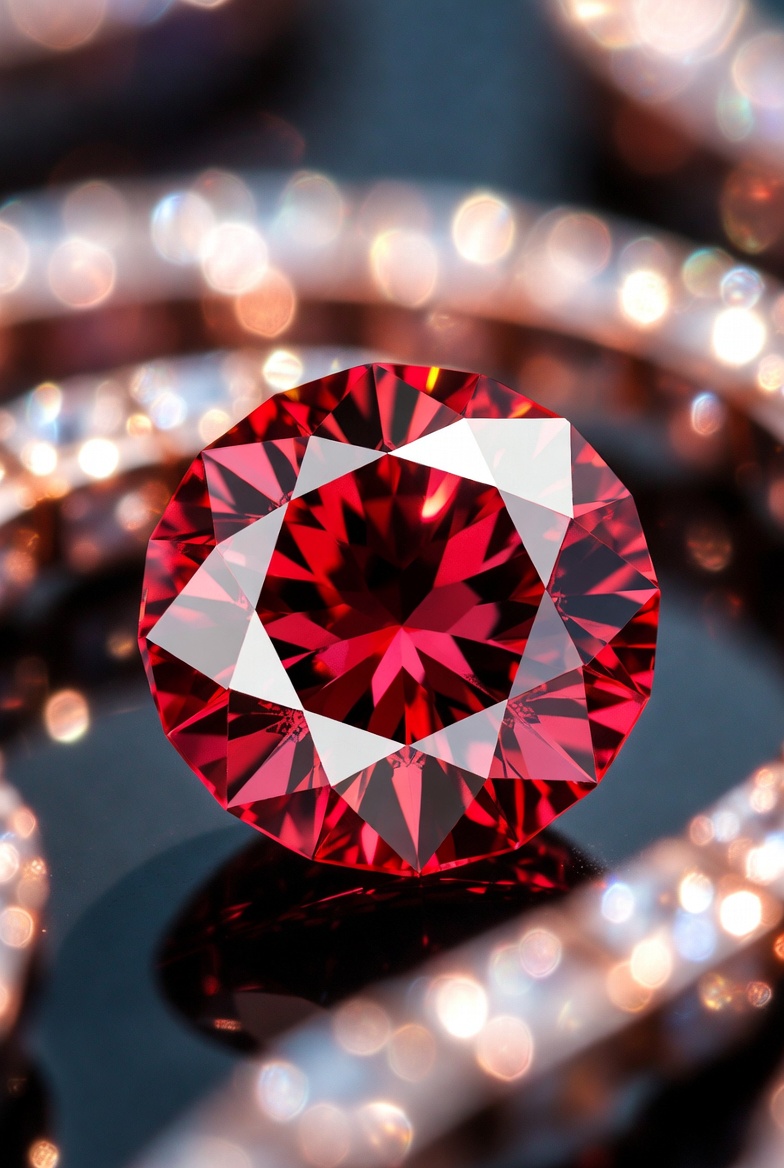
The 21 Richest and Rarest Gemstones in the World in 2026: Prices, Insider Knowledge and Buying Guide
Gemstones are formed by the Earth in millions of years. They are created in stress, heat, and scanty chemistry combinations. Although the popularity of the diamond is well known, a vast array of other gems are much more rare and pricier per carat. It is a 2026 guide that lists the 21 most rarest and scarce gemstones. It applies actual records of auction, Christie and Sotheby, market information of Gemval and GIA, expert reports, and new sales. Prices are of museum-size faceted stones (early 2026 estimates) and may vary according to size and colour and clarity and provenience of the stone.
What is so costly about a gemstone?
- It is found in only one or very few places.
- Special effect of colour or light.
- Crystal shape and pure chemistry.
- The historical or cultural significance.
These are the top prices. Commercial stones of the same gems of the ordinary may be 90-99% lower. Request a GIA or AGL certificate on natural and untreated stones.
20. Tanzanite- between 600 and 1800 a carat (Premium AAA Grade)
Discovery & Rarity
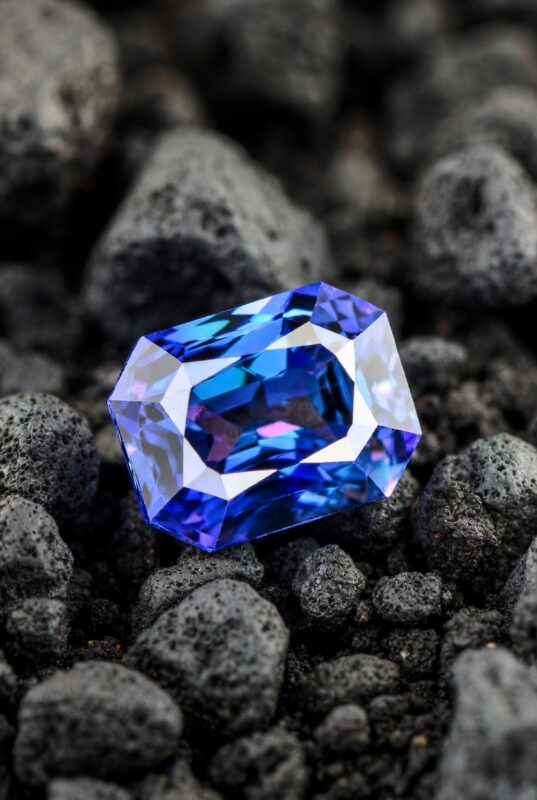
Tanzanite is a zoisite in blue-violet. It was discovered in 1967 by a Maasai in the Mererani Hills of Tanzania. It is the sole location on the Earth where it thrives. According to geologists, the primary vein is estimated to dry out in 15-25 years and it is one thousand times rarer than a diamond.
 Properties
It appears in three colours (blue, violet, burgundy) with regard to the angle. Heat therapy eliminates brown colour to provide the well-known Tiffany blue. It is moderately hard (Mohs 6–7).
Why So Valuable
It is unsurpassed in its electric colour. The largest rough was more than 16,000 carats.
Buying Tips (2026)
Select 5+ and carats with strong blue as well as minimal inclusions. Avoid dark or brown pieces. They work so well in pendants and earrings; protect rings with settings.
Market Insight
Due to the concern on supply, prices are on the increase. A 10-carat stone with a flawless cut may cost higher than 15,000 dollars altogether.
19. Jeremejevite – $1,800–$6,000 per carat
Discovery & Rarity
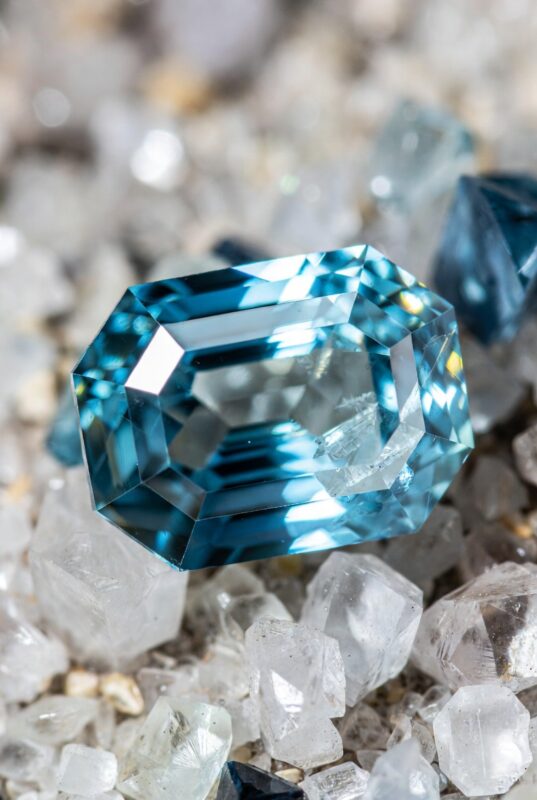
It was initially discovered in 1883 in Siberia, but today is primarily of Namibia and Myanmar. Crystals are small and extremely rare.
Properties
Bluish white to light blue; hardness like quartz (6.575) and extreme brilliance.
 Why So Valuable
It is among the least common borate minerals. Facetable carats are less than 1,000 in number.
Buying Tips
Search after clean, clear sky-blue stones. They are suitable to minimalist high-end jewellery.
18. Fire Opal- 1500-4500/carat (Vivid Mexican)
Discovery & Rarity
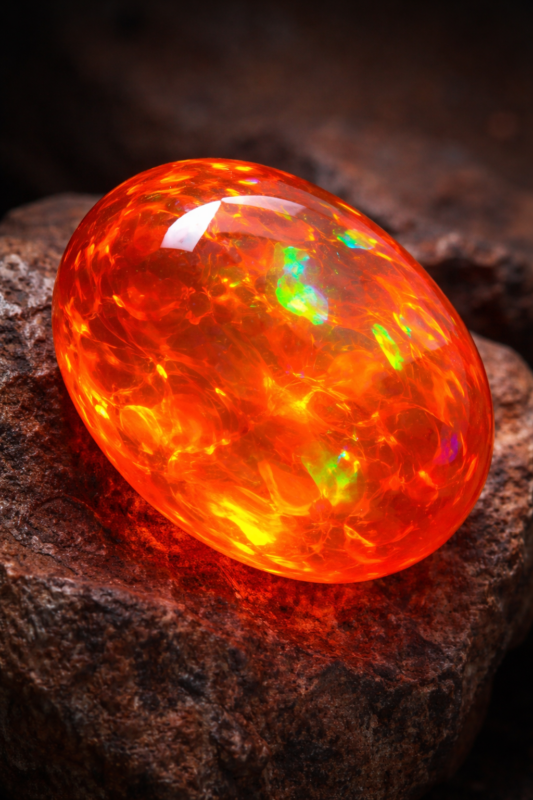
Produced in the volcanic areas of Mexico. It is a mineraloid having no actual crystal structure but has a powerful body colour.
 Properties
Sizzling orange-red to yellow with a dramatic play-of-colour.
Why So Valuable
The colour flashes as well as the bright body colour are extremely attractive.
Buying Tips
Select stones well flashed red and having few crazings. The standard is Mexican fire opal.
17. Poudretteite – $3,000–$9,000 per carat
Discovery & Rarity
Originally discovered in the 1960s in Quebec and subsequently in Myanmar. It is a pink borosilicate.
 Properties
Mohs 5 but highly clear and coloured in gems. Very few are over 2 carats.
Why So Valuable
There are only a few gems of high quality.
Buying Tips
Select Myanmar as best colour.
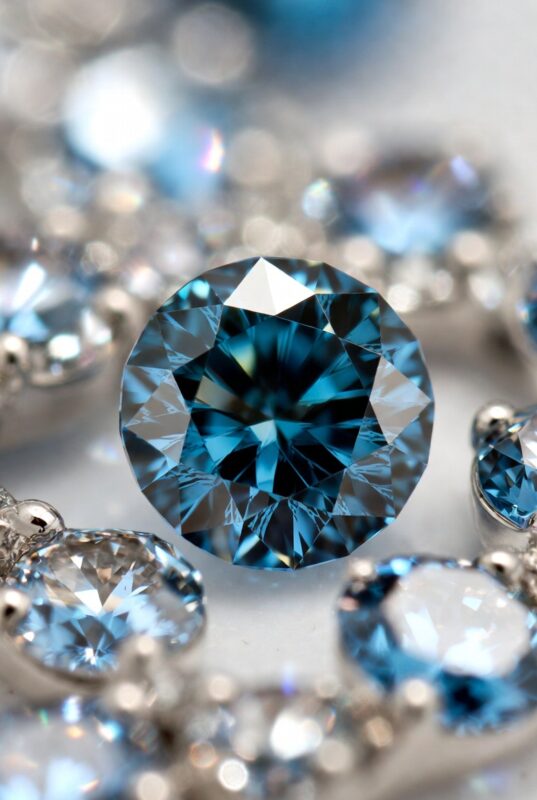
16. Demantoid Garnet – $2,500–$12,000 per carat
Discovery & Rarity
Green garnet bright green located in Ural Mountains Russia. Particularly known as horsetail inclusions.
 Properties
Supreme scatter of of a natural gem–more fire than a diamond. Mohs 6.5–7.
Why So Valuable
The crystals are small, and stones larger than 2 carats are in museums.
Buying Tips
The Russian or Namibian stones are preferred; horsetails add value.
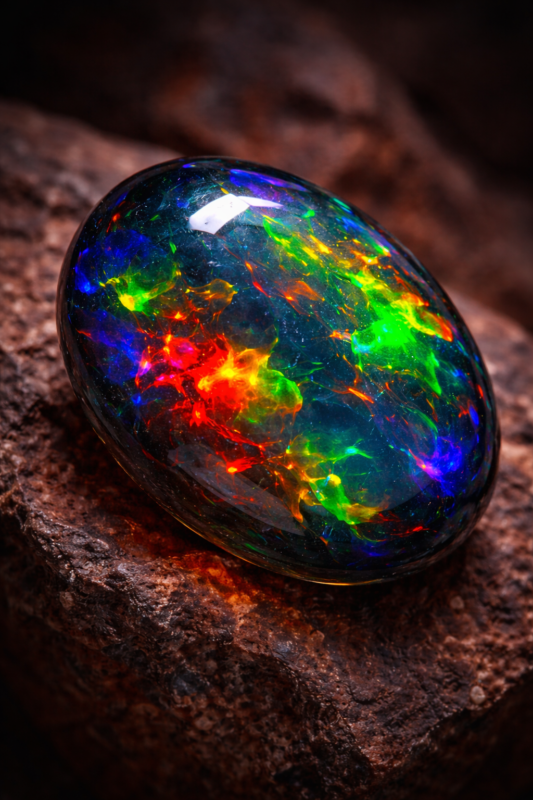
15. Black Opal – $3,000–$15,000+ per carat
Discovery & Rarity
Virtually, none but Lightning Ridge, Australia. Dark colour brings out the play-of-colour.
 Properties
Silica with bright flashes hydrated on a black background.
Why So Valuable
The most dramatic opal it is, the colours swim in darkness.
Buying Tips
Requires great contrast and dark body. Investment grade is required to be Australian in origin.
14. Benitoite – $4,000–$12,000 per carat
Discovery & Rarity
First found in 1907 in California. It is the sole important deposit and the gem of the state.
Properties
Violent blue colour and high fluorescence in the UV. High dispersion.
Why So Valuable
Extremely scarce supply; there are stones more than 3 carats almost non existent.
Buying Tips
Most common are medium-blue, well cut but less than 2 carats. Look out treatment or synthetic stones.
13.Benitoite – $4,000–$12,000 per carat (Fine Unheated)
Discovery & Rarity
Kashmir, Myanmar, Sri Lanka and Madagascar corundum. Padparadscha and bright blue sapphires are very expensive.
Properties
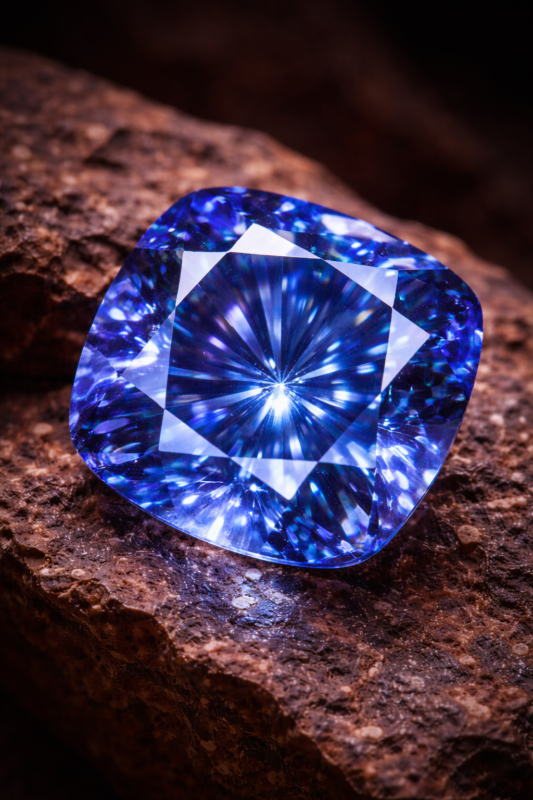 Mohs 9 – very hard. All the best stones are very clear and coloured.
Why So Valuable
The sapphires are legendary and almost extinct kashmir -cornflower blue.
Buying Tips
Select unheated Burmese or Kashmir stones that have a GIA report. Stones, which are diffusion-treated, should be avoided.
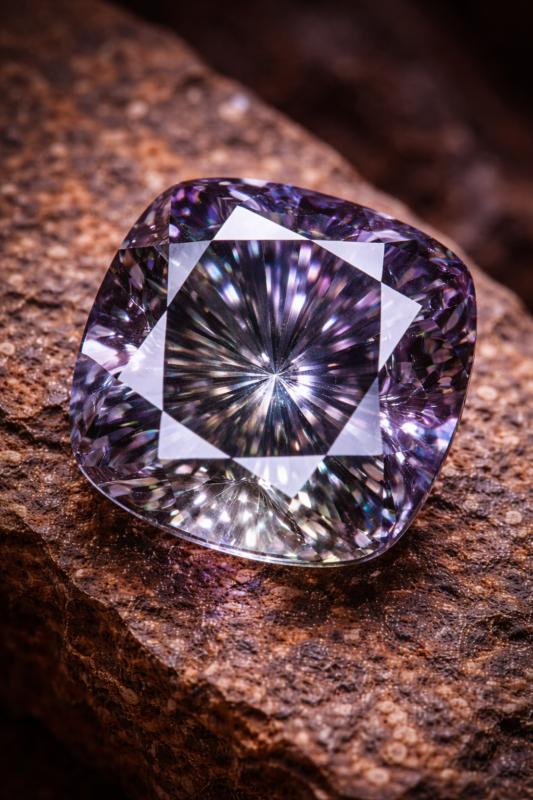
12. Musgravite – $15,000–$45,000 per carat
Discovery & Rarity
First found in 1967 in Australia. It resembles taaffeite, however, it is a dissimilar mineral.
Properties
Green, purple, or blue; very hard.
Why So Valuable
It has found less than 300 carats of gem-quality.
 Buying Tips
Madagascan or Tanzanian stones are likely to be best coloured.
11. Padparadscha Sapphire- between $10, 000 and 35,000 per carat.
Discovery & Rarity
Pink-orange Sri Lankan, Tanzanian, Madagascar corundum.
Properties
The combination of pink and orange is referred to as lotus blossom.
Why So Valuable
The specific colour is nearly impossible to imitate.
Buying Tips
Tolerate minor inclusions in favour of genuineness. Stones with a carat of two and above are quite rare.
10. Red Beryl (Bixbite) – $12,000–$60,000 per carat
Discovery & Rarity
In USA, only in Utah and New Mexico, in rhyolite. Discovered in 1904.
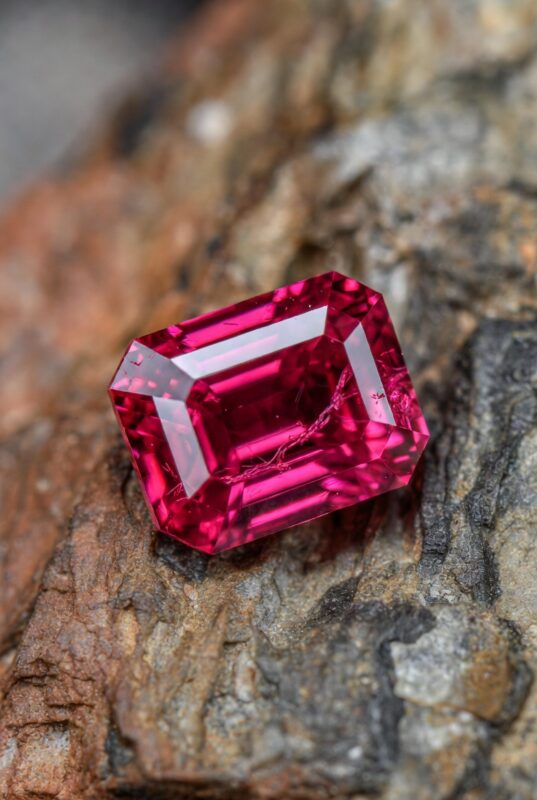 Properties
Beryllium aluminium silicate with trace manganese.
Why So Valuable
Stones of gem quality exceeding 1 carat are rare compared to fine rubies; the majority are below 0.5 carats.
Buying Tips
Inclusions are normal. Natural red beryl is never perfect.
09. Alexandrite -8000-100000-150000 and more/carat (Strong Colour Change)
Discovery & Rarity
Chrysoberyl in the Ural Mountains of Russia. It was named after Tsar Alexander II.
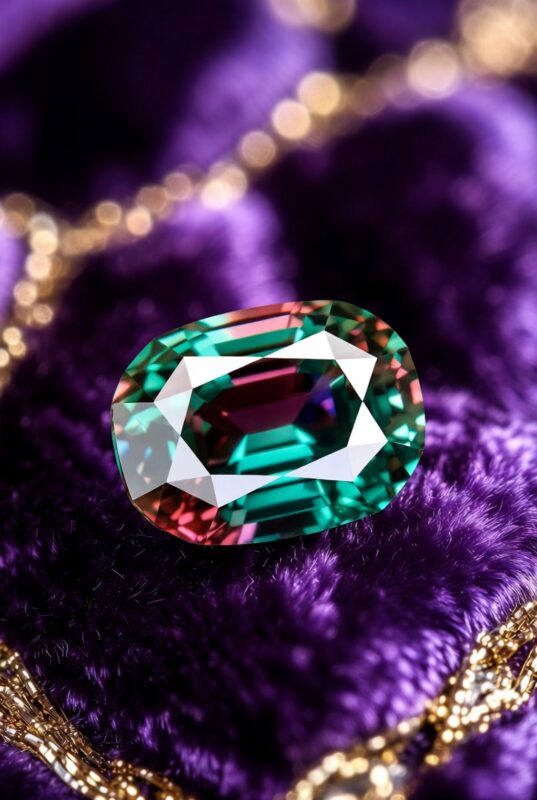 Properties
Alterations between emerald-green during the daytime and raspberry-red during the incandescent light.
Why So Valuable
It possesses the best colour changing. Russian stones are very much sought after.
Buying Tips
Top price requires a minimum change of 70% colour change. The alternative is the Brazilian and Sri Lankan stones which are cheaper.
08. Ruby – $15,000–$1,000,000+ per carat (Pigeon’s Blood)
Discovery & Rarity
Myanmar Mogok Valley crimson corundum.
Properties
Mohs 9. Streak red, a little fluorescent.
Why So Valuable
One of the most reputable gems is the Burmese rubies.
Buying Tips
Select uncolored, high-intensity blue fluorescent. Verify size and origin.
07. Diamond (Fancy Coloured) -3000-25000 per carat (White),100000-2M (Fancy Reds/Blues).
Discovery & Rarity
The carbon considered pure was formed between 1 and 3 billion years into the earth.
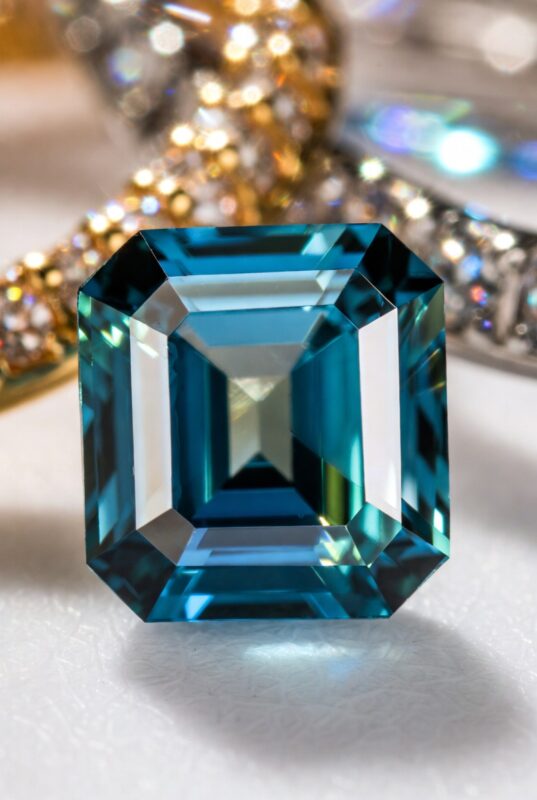
Properties
Toughest natural material (Mohs 10). Excellent brilliance.
Why So Valuable
White diamonds are ordinary but the fancy colours with rare colours are extraordinary such as red and blue.
Buying Tips
To invest, seek G-colour+ diamonds that are of excellent cut or rare fancy colours.
06. Serendibite – $18,000–$60,000+ per carat
Discovery & Rarity
Complex borosilicate in Sri Lanka and Myanmar in 1902 and 1956 respectively.
Properties
Deep blue to bluish‑green. Very slight facetable matter.
Why So Valuable
There have been few more than a few dozen gems of high grade cut.
Buying Tips
The Myanmar pieces now are the finest.
05. Jadeite: $25, 000 -3,000,000 and above per carat (Imperial Jade)
Discovery & Rarity
Most prized type of jade, mostly Myanese. Ordinary classic Imperial-emerald.
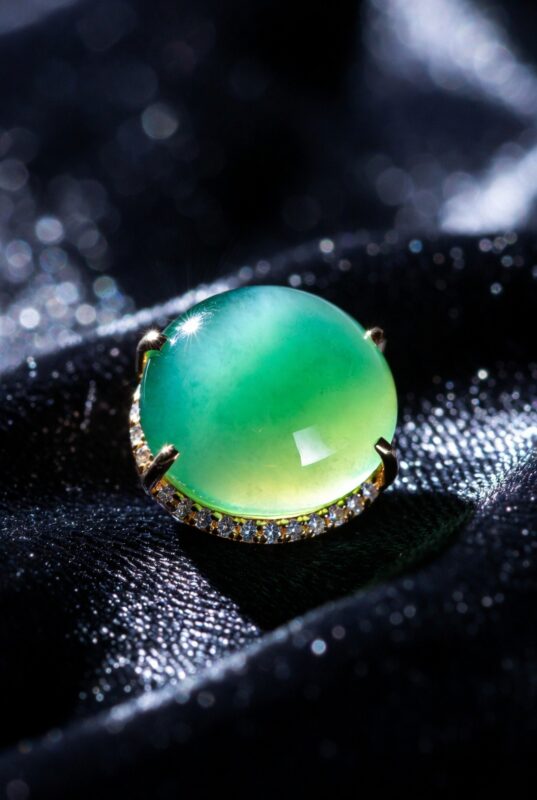 Properties
Amazingly translucid sodium aluminium silicate.
Why So Valuable
Intense Chinese culturality. The Imperial jade is even in colour which is legendary.
Buying Tips
Find Myanmar jadeite with a certificate of old mine. Others have fetched more than 1.5 million per carat.
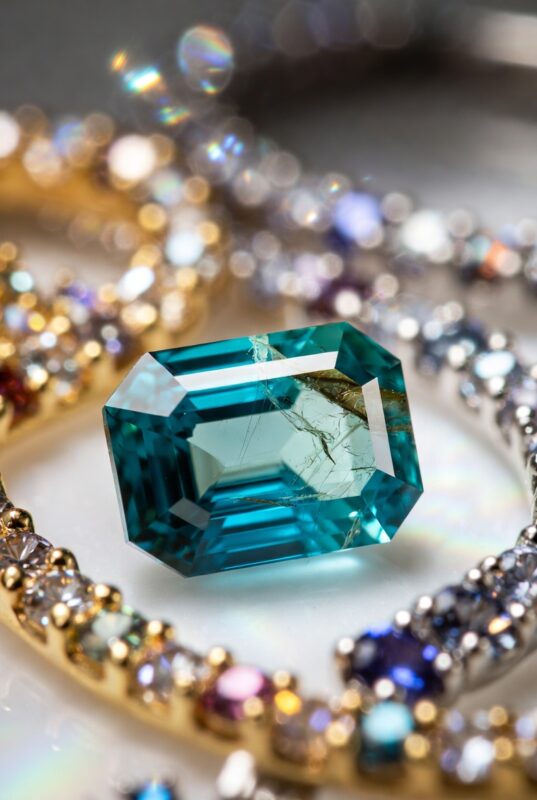
04. Grandidierite – $8,000–$30,000 per carat
Discovery & Rarity
Found in Madagascar in 1902. Bluish-green pleochroic gem.
 Properties
Magnesium alumina borosilicate. Crystal material is transparent material that is very scarce.
Why So Valuable
The vast majority are opaque; gems which are transparent are museum rarities.
Buying Tips
The essential ones are strong blue-green colour and good transparency.
03. Taaffeite – $20,000–$55,000+ per carat
Discovery & Rarity
It was first found in 1945 in Dublin as a cut stone which had been mistaken with spinel. Located in Sri Lanka and Tanzania.
 Properties
Beryllium magnesium aluminate of double refraction.
Why So Valuable
and is one of the rare minerals on the earth–one of less than 100 known facet-gems.
Buying Tips
Selecting clean and well-coloured stones must be considered reputable.
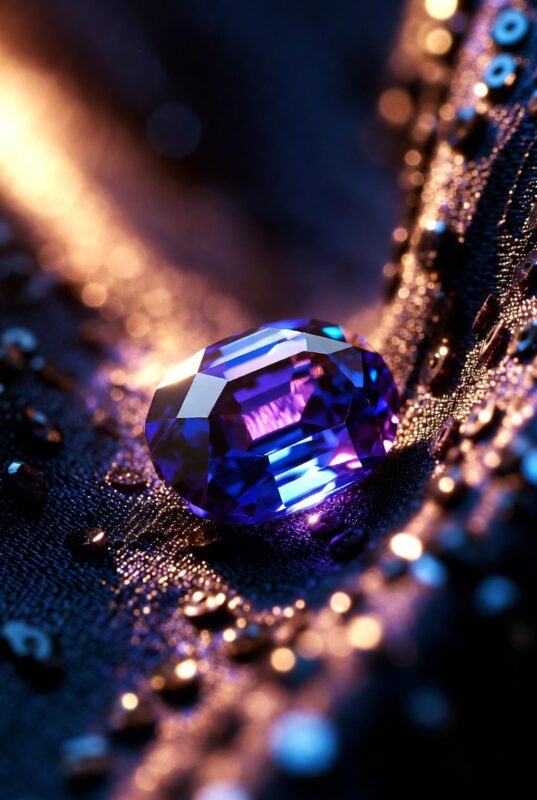
02. Colour-Change (Blue) Garnet – $5,000- $150,000+ per carat (Exceptional Specimens).
Discovery & Rarity
Rare pyrope-spessartine garnet in Madagascar, Sri Lanka, Russia and Turkey. Changes to blue-green in the daytime and to purple/red in the artificial light.
 Properties
The garnet only that could look blue. Production is very limited.
Why So Valuable
The change of the dramatic colour is unique. Record specimens have fetched six figure per-carat prices.
Buying Tips
The large stones (more than 2 carats) are practically out of the question. Cheque change of colour by comparing daylight and incandescent light side by side.
01. Red Diamond – $1,000,000–$2,500,000+ per carat
Discovery & Rarity
Less than 30 known red diamonds in the world, most of which are below 0.5 carats. Colour due to crystal deformation.
 Properties
Deep crimson pure carbon. Mainly in the former Argyle Mine of Australia (closed).
Why So Valuable
In 2011 the Moussaieff Red (5.11 ct) was sold at $8,000,000.
Buying Tips
Sold only by big auctions or direct transactions. Provenance is essential.
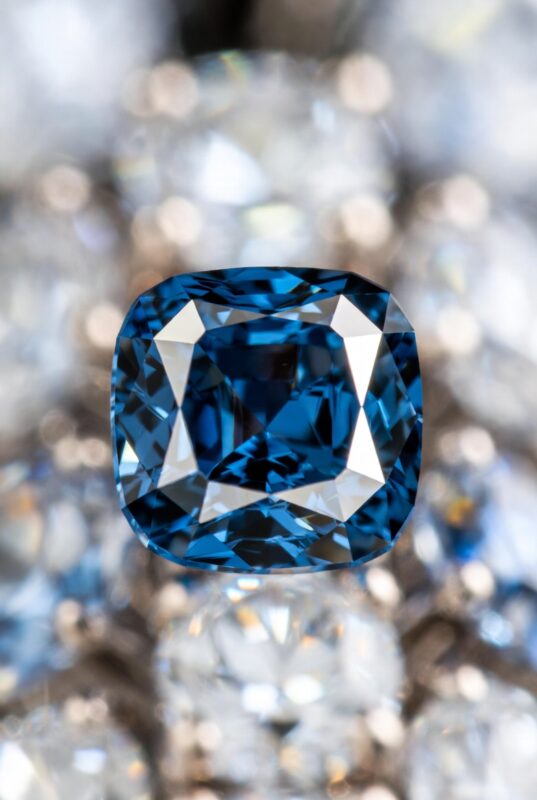
00. Blue Diamond – $3,000,000–$5,000,000+ per carat (Vivid)
Discovery & Rarity
Diamonds of type IIb that are boron-coloured. The richest and most treasured form of diamond.
Properties
Bright blue colour and very brilliant.
 Why So Valuable
In 2016 (~$3.93 carat per), the Oppenheimer Blue (14.62 ct) went on sale at a price of $57.5 million. Vivid blues are almost priceless in larger sizes.
Buying Tips
The number that does not fail to impress is only a few that appear every decade. The best one is GIA “Fancy Vivid Blue with strong fluorescence.
Which of these marvellous jewels most impresses you? Being serious collectors, investors or simple admirers of the beauty of nature, these stones are the most rare and beautiful.
Investment Note (2026)
The longest-term appreciation has been the highest with ultra-rare coloured diamonds, jadeite, and red beryl. Grow and make purchases with proven professionals.
FAQ
What is the rarest gemstone at the moment? → Taaffeite, serendibite and painite (not ranked in this list) fight over the position of the most rare.
Are these investments good? ->Yes-most of them have performed better than conventional assets when they are purchased at the right time.
How should I purchase safely? → Purchase through GIA-certified dealers, large auction houses or through trusted platforms with full disclosure.