


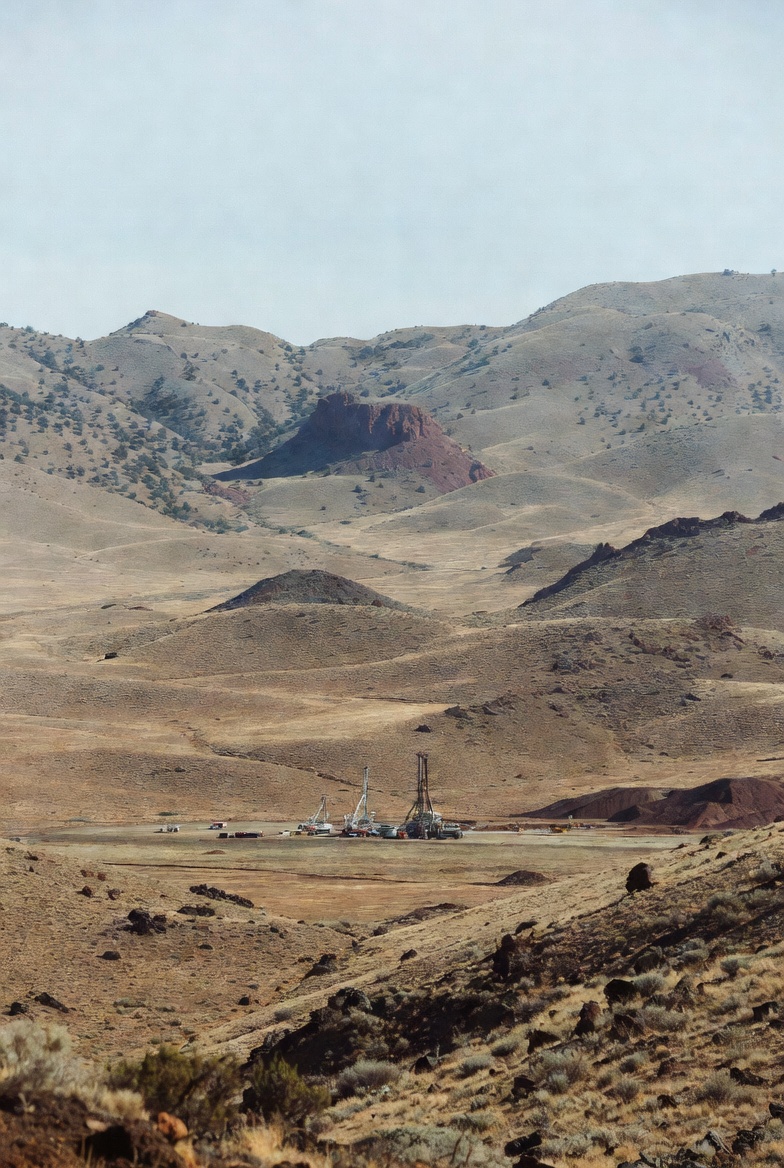
A huge lithium deposit buried under an old super volcano on the Oregon-Nevada border is making headlines as one of the worlds largest lithium deposits – possibly worth 1.5 trillion. The McDermitt Caldera is a 16 million year old volcanic crater that has taken the centre stage in the American quest to be energy-independent as it covers Malheur County in southeast Oregon and northern Nevada.
This finding would revolutionize the electric vehicle (EV) battery supply chain in the U.S., generate thousands of jobs and stop dependence on foreign lithium. But it has also sparked bitter controversies on environmental preservation, water rights, wildlife habitat, and indigenous cultural sites.
It is also a clear, balanced, and current overview of the McDermitt Caldera lithium project in 2026.
The Scale of the Discovery: one of the biggest Lithium Resources in the World.
The McDermitt Caldera alone, according to the estimates by geologists, has 20 to 40 million metric tons of lithium in lithium-rich clay sediments, which is sufficient to energize millions of EVs and renewable energy storage systems over the decades.
-
The ground value of lithium is estimated to be up to 1.5 trillion at present lithium prices (c. $37,000 per metric ton).
-
Lithium is trapped in special volcanic clays (primarily illite and smectite) that were deposited in a closed system of ancient lakes following the eruption of the supervolcano 16.4 million years ago.
-
This renders it a claystone formation, unlike the brine activities typical of South America (Chile, Argentina, Bolivia).
Key Companies Involved
-
HiTech Minerals Inc. (a subsidiary of Jindalee Resources) is exploring the Oregon segment.
-
Lithium Americas is already making developments on the Nevada side with Thacker Pass mine that is expected to commence production in the year 2026.
Why This is Important to the Economy and Future of the U.S. Energy.
Lithium is the critical component in the lithium-ion batteries of EVs, smartphones, laptops, and grid-scale energy storage. The world is going clean and the demand is booming all over the world.
Possible Advantages of the McDermitt Project
-
Energy security: This may assist the U.S. to reduce reliance on China and other external suppliers.
-
Economic and jobs improvement: Malheur County is among the poorest counties in Oregon. The entire project might generate up to 1,000 union construction jobs in three years, and long-term mining and processing occupations.
-
Domestic supply: An effective mine would make the U.S. among the leading producers of lithium in the world.
HiTech Minerals has also concluded a letter of understanding with building trades unions in Oregon to give preference to local and union labor.
Environmental and Community Issue: A Thin High- DESert Ecosystem under Threat.
Although the economic potential is enormous, local citizens, environmental organizations, ranchers, and tribes have some major concerns.
Key Concerns Include
Wildlife Habitat
-
The property is prime sagebrush steppe — important to the greater sage-grouse, the pronghorn antelope, and the Lahontan cutthroat trout.
Water Use
-
Exploration and future mining would demand a huge amount of groundwater.
-
Concerns about reduced water table in an already dry area.
Cultural Sites
-
The caldera is very important to the Fort McDermitt Paiute, Shoshone and Bannock tribes spiritually and historically.
-
Lands of worship and customary meeting places would be interfered with.
Brief Review Periods
-
The Bureau of Land Management (BLM) was accused of having very short periods of public comment on exploration plans (as short as 5 days).
Who is Speaking Out?
Environmental Organizations
-
The Sierra Club encourages clean energy but indicates that the lithium development should not ruin delicate homes.
-
Earthworks and Oregon Natural Desert Association (ONDA) refer to the approved exploration as being expansive and devastating.
Local Stakeholders
-
Concerns of local ranchers include effects of grazing lease and family business which has been in existence over a period of time.
-
The leaders of the tribes desire to have serious consultation and safeguarding of cultural resources.
Status: Exploration Granted, Full Mine Years Away.
In December 2025, BLM gave consent to the exploration plan by HiTech Minerals:
-
Up to 168 drill sites
-
Surface disturbance (in acres) 73
-
22 miles of new temporary roads
-
Over a 5-year period
This is mere exploration to help to demarcate the resource better. An actual mine would demand entirely distinct, and larger scale permits and environmental reviews.
The business declares that they will be guided by federal standards, recover disturbed lands, and use feedback of the community.
The Future of the McDermitt Lithium Deposit?
Timeline
2026–2027:
Further exploration and study of feasibility to verify the actual resource size and most cost-effective means of extracting the resources.
2028+:
Potential ruling on construction of full mine (billions of dollars, years of approval).
Alternatives Under Discussion
-
Recycling old batteries at a higher level
-
New battery chemistries (sodium-ion, solid-state)
-
More efficient mining methods to reduce environmental impact
Analysts believe: Lithium demand is here to stay. The issue is about the possibility of the U.S. to create its own sources in a responsible way, by taking into consideration the clean energy objectives and preserving the ecological and cultural heritage of the high desert.
This is not the end of this McDermitt Caldera story. It symbolizes the hope and the difficulties of the green energy transformation of America.
What do you think?
But is the U.S. hasty in its home lithium mining to be the future of EV, or is environmental and cultural safety a priority?