


Minerals Resource in Gilgit Baltistan
Gilgit Baltistan is famous for providing hundred of different types of precious, semi precious and dimension stones that contributes 70 percent of gems to Pakistan. This area is endowed with deposits and mineral resources, especially marble from the territory bordering India in the east extending through Shigar, Hunza, Ishkuman up to Afghanistan in the west. other than Myanmar it possesses deposits of blood-red rubies, spinel, sapphire, and pargasite.
Another large area containing gemstones is located in Nanga Parbat-Haramosh Valley with many operating mines in pegmatite vein. They still mine aquamarine, tourmaline, golden and white topazes, emerald (recently discovered), rutile quartz, morganite, apatite, sphene, amethyst, rutile quartz, golden quartz and others.
There are at least ten thousand people engaged in the exploitation of gemstones in Gilgit-Baltistan. However, since the current miners do not have adequate professional knowledge, modern equipment, or financial capital, they engage in small scale and unscientific mining. This has led to harm of these a precious asset.
But realizing the problem, the government of Gilgit-Baltistan is putting its best efforts to overcome the situation. This is through appealing to both domestic and foreign gemstone mining firms to take an interest in the region, and mine with best practices through the embrace of the disseminating science behind the process.
Some Famous Gemstones which comes From Gilgit Balitistan Mine
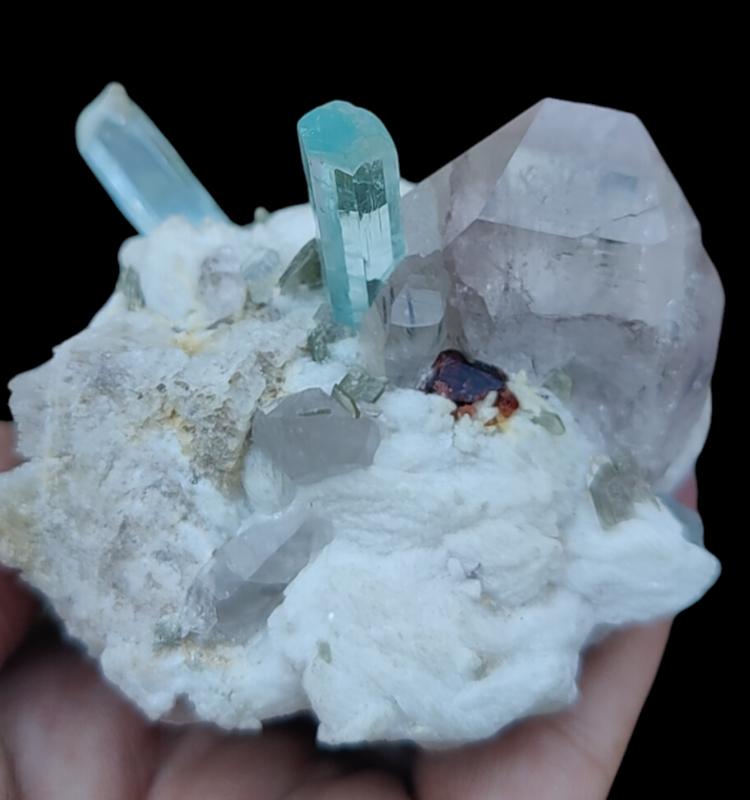
Aquamarine:
It is beryllium aluminum silicate and is classified under the group known as beryl. There are reports of the species from Dassu and Khaplu; both in Baltistan. It is associated with the pegmatites of Karakoram, and the NW Himalayas. Light blue aquamarine occurs in abundance in the gem pegmatites of Gilgit-Skardu area. Of the better known deposits, there is Iskere, Shingus, Dusso and Tisgtung. These areas of the Basel have good potentiality for deeper blue colour, high priced aquamarine and should be developed further.
 Emerald:
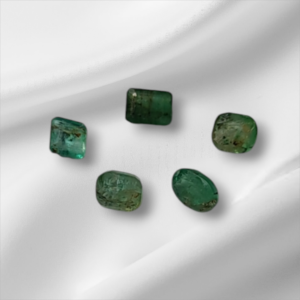
It is coming under the category of beryl group. It is favored for its clear dewy green. This is because of Chromium content and to be more precise a green beryl with out chromium is not accepted as an emerald. It is known that emerald has curative properties and to some people this stone is called a healing stone. This is analyzed to be present in ophiolitic rocks belonging to the mélange zone of the northern Indus Suture. The emerald deposits are found almost near Khaltaro in Gilgit region. In other words it has a high prospect of developing emerald production and mining operations .
 Fluorite:
They are used as a flux in the production of steel, in the production of white and coloured opalescent glass, in enameling cooking utensils, in the preparation of Hydrofluoric acid and elemental fluorine and for ornamentation. Flurite (CaF2) mineralization is reported from Karakoram and indus suture and other zones present in association to other gems.
Garnet: Pyrope is found in yellowish-brown to reddish-brown colour and its luster is also flashy. Almandine ranges from brownish red to reddish violet, Rhodolite is of rose red color with a strong stings. Spessartine gives the most exquisite of orange colouring. Grossularite is in brown, reddish-brown, clear sparkling copper-gold, to green colours are present. Dem It also stands for faith, friendship and loyalty because it is the January birthstone. With its report from Bash-Shigar and Khaplu Baltistan and Harmosh range Gilgit, Pakistan. Red spessartine gem quality is found related to pegmatite of Dusso and Shingus of the northern regions that produced large, transparent crystals. Pyroxene substituted by olivine, garnet hosted by tonalite in the Chilas complex in Kiner Gah area of Chilas.
Kyanite:
The Kyanite-garnet bearing tonalite is new report from the Chilas complex of Kiner Gah area of Chilas.
Moonstone: Often it is a rock for forming feldspar. It is soft grey to spring clear, silvery white, reddish brown to light blue. It is also the birthstone of June and has a reputation for being able to make people happy and prosper. It has been collected from the pegmatite of Shingus and Bulechi present in the Gilgit Agency, northern Area of Pakistan. The caldera deposits are voluminous, and of reasonably good grades. This, makes the adularia feldspar to be called sunstone.
Pargasite:
They are a member of the monoclinic amphibole group. Pargasite specimensCaption Some delightful deep green crystal of pargasite were found associated with ruby and spinel in metamorphosed crystalline marbles of the Hunza valley. It is transparent to translucent and is used into beautiful. Locally they are sold as Hunza emeralds to global customers.
Quartz crystals and jewelry: MMI: Quartz crystals occur in pegmatite and in suture zone areas. These crystals can be used in best jewellery for attraction as diamond because India is famous due to using diamond in jewelleries. So there are many location of quartz crystals in Pakistan. For detail see in quartz veins title. It is used as gem and also used for dishes, optical instruments, spectacles, chemical, radio appliances, frequency control in electrical and radio apparatus. It is silicon dioxide and common rock mineral and also includes a number of ornamental varieties. The ornamental varieties can be crystalline like the amethystin, citrine; the cryptocrystalline like the opal, agate, chrysoprase, chalcedony, and cornelion. The violet quartz or amethyst is the birthstone for the February born and to symbolize duration, friendship and firmness of affection. People in Skardu and Gilgit areas can find well shaped crystals of quartz in gem pegmatite. Smoky quartz is found here too. Large reserves of Rose quartz are available in Dusso pegmatites situated near at Skardu [8].
Corundum:
Its gem varieties include ruby sapphire – red, oriental amethyst – blue, oriental emerald – green and oriental topaz – yellow. It is located in suture and its surroundings [8].
Ruby:
It belongs to olivine family. It is the official birthstone of August together with Peridot where it is believed to scare away ghosts and demons, eliminate melanchol and foolishness while at the same time revealing the eternal path to wisdom. This report on polymineral pegmatites has been collected from the marble of Bashe-Highar and Strakin Rondu, Baltistan. Largest independent deposits are present in the dolomitic marble stretching well over 100 km from Hunza to Ishkoman near Main Karakoram Thrust. The mining is done in only 13 mining centers located at a distance of 15 km in length of Hunza Valley. As a result there is a vast potential of ruby deposits in the country of Pakistan. This host marble of this region also harbours sapphire, spinel, pargasite, margarite, phlogopite, chlorite, graphite, pyrite, rutile, dolomite, sphene, apatite, tourmaline, plagioclase, pyrrhotite, quartz, calcite and goethite.
Spinel:
This is a group with magnesium aluminium oxide composition. It is appreciated because of its fine, bright, and intense hues and fine fire and high clarity. :It can be withstand great heat without change and is found in an extremely beautiful way. Purple to blue and blue green varieties are also used frequently. Spinal with ruby red colour is strictly linked with deposits of Hunza ruby. Spinels: The red colour in spinel is because of chromium compound and where as bluish and plum (Alu Bukhara) spinels are due to presence of iron. The spinel from Hunza are bigger in size than those normally occurring in Burma and secondly, look much more inviting.
Topaz:
It is valued for its brilliant, fiery lustre and for it’s a variety of colours, starting with yellow and going up to golden brown, rose red to peach pink Aro or Shuftalo pink, royal blue to shining sky blue and completely transparent to pure white. The yellow variety look similar to citrine quartz, but is even more beautiful in appearance owed to its higher RI of 1.62, hardness of 8, and s g of 3.5 – 3.6. They are more or less confined to the microcline-quartz-muscovite groundmass. The principal bearing pegmatites of topaz are available at Bulechi, Shingus and Gone near Dessu in the Skardu region. Again mentioned from the Harmosh range, Iskere valley Gilgit. It is found in Pakistan and, if marketed efficiently and effectively in world market, there exists a tremendous potential of raising the price factor remarkably high.
Tourmaline:
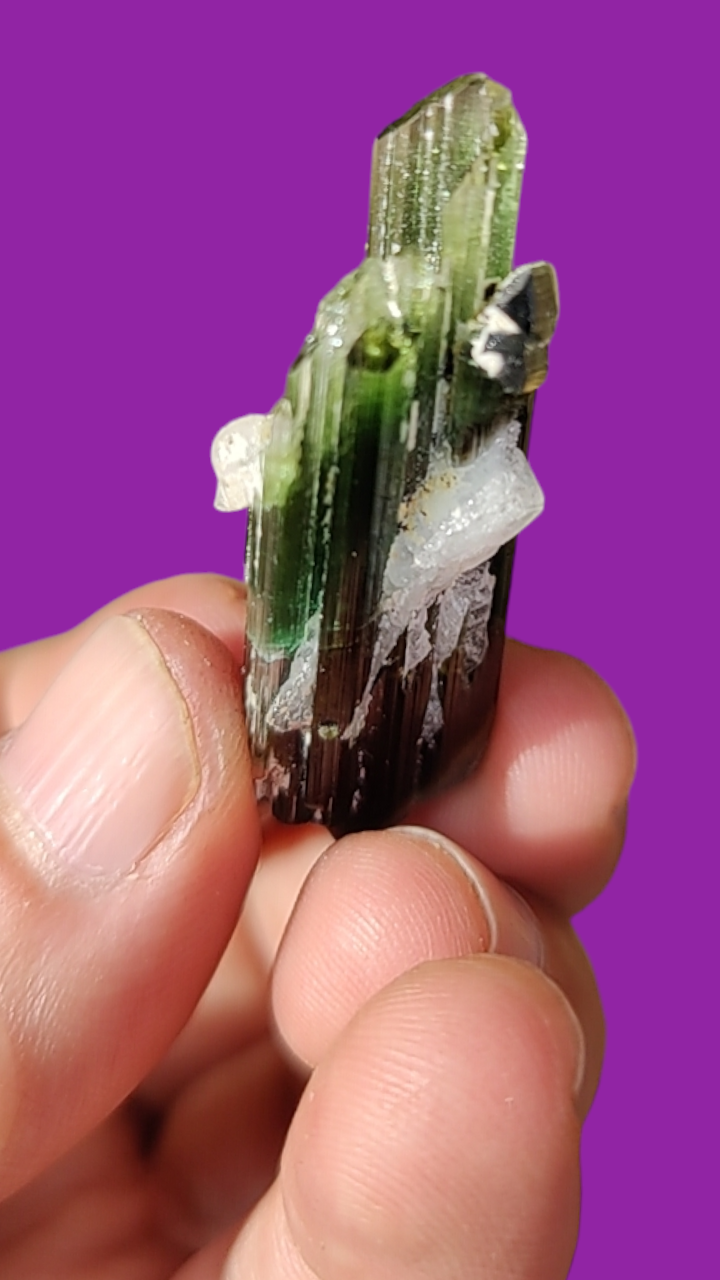
It is termed to be beautiful especially because it can come in any color or rather shade that is possible. Ruby red (rubellite), orange through brown to yellow, green and blue (indicolite) varieties are considerably more common. The gem varieties include – Rubellite, Dravite, Elbaite and Liddicoatite. Its given out as stone for the October born and is believed to enhance flow of thought among the writers. The following genera and species are reported from Khaplu Baltistan, Harmosh range . It is reported from pegmatites of Haramosh massif near Gilgit, Stak nala, Bulichi and Shingus within Gilgit division. In fact many of the best and fairly big size bicolor and tricolor tourmaline have been mined from these pegmatite bodies.
List of Gemstones which found in Gilgit Baltistan
| Gemstone | Description | Location |
|---|---|---|
| Ruby | Blood-red color, highly prized | Shigar, Hunza, |
| Spinel | Ranges in color from red to pink | Hunza |
| Sapphire | Known for its rich blue color | Hunza |
| Pargasite | A rare green mineral | Hunza |
| Aquamarine | Light blue to greenish-blue variety of beryl | Haramosh, Shigar and Nager |
| Tourmaline | Found in various colors including pink, green, and multicolored | Rondo, Diamer Chilas, Shigar and Haramosh |
| Topaz | Found in golden and white varieties | Rondo, Diamer Chilas, Shigar and Haramosh |
| Emerald | Green variety of beryl, a recent discovery | Haramosh , Shigar |
| Rutile Quartz | Quartz containing needle-like inclusions of rutile | Rondo, Diamer Chilas, Shigar and Haramosh |
| Morganite | Pink to orange-pink variety of beryl | Rondo, Diamer Chilas, Shigar and Haramosh |
| Apatite | Found in blue, green, or yellow shades | Rondo, Diamer Chilas, Shigar and Haramosh |
| Sphene (Titanite) | A rare gem with high dispersion and brilliant colors | Shigar |
| Amethyst | Purple variety of quartz | Shigar, Chilas |
| Golden Quartz | Quartz with golden hues and rutile inclusions | Shigar, Rondo and Nager |
| Garnet | Found in deep red, orange, or green varieties | Skardu, Shigar |
| Fluorite | Found in a variety of colors including green, purple, yellow, and colorless | Skardu, Nager |
| Zircon | Natural gemstone available in golden, red, and colorless varieties | Astore |
| Clinozoisite | A rare greenish to brownish gemstone | Baltistan, Shigar |
| Moonstone | A feldspar mineral with a soft, glowing sheen (adularescence) | Chilas |
| Axinite | A rare brownish to violet gemstone | Baltistan, Shigar |
| Kyanite | Deep blue mineral with a vitreous luster | Shigar, |
The following table sums up the fact that one can find all types of gemstones in Gilgit-Baltistan, thus confirming its image of a gem paradise. It is extracted all over this area and is a chief producer of gemstones in the country, particularly in Pakistan.ne
Documentary About Gemstone Resource of Gilgit Baltistan
Geological Framework Supporting Mineral Formation
Gilgit-Baltistan is one of the Himalayan orogenic belt evolving from the collision of the Indian and Eurasian tectonic plates. This complex geological form has been associated with an amazing repository of rock types of change, igneous, as well as sedimentary formation. Minerals are mostly found in the pegmatite veins, hydrothermal deposits and igneous intrusions, to make the region geologically wealthy and geo-economically prospective.
Industrial Minerals Found in Gilgit Baltistan
Industrial minerals are distinguished from gemstones and metals as their applications are usually non-metallic and for industrial purposes such as building materials, ceramics, cosmetics and electrical devices.
Marble and Granite
Pallid marble and granite of excellent quality are brought in from places like Hunza and Skardu. Exotic stones that range from the fine-grained white marble to vibrant granite are in these stones. They are ideally used in kitchens, architectural panels, flooring and also tombstones.
Talc and Mica
Talc, softness, touch, silky feel, present at Chalt Valley Nager District. China white zinc oxide is widely applied in cosmetiques, cermentions, paper, industrial and pharmaceutical industry. Mica, a flaky material with a good dielectric performance, is highly needed in the electronics industry and it mines as the same as talc in similar of geological context.
Graphite and Sulfur
Graphite, which is in batteries, lubricants, and refractory materials, comes to be thought of Metamorphic zones. Sulfur is typically associated with volcanic or hydrothermal activity and is used for making fertilizer, and chemical sectors. Both minerals are found in district such as Ghizer and Diamer.
Bauxite
The chief ore of aluminum, bauxite, occurs in scanty deposits over upper Hunza. Despite currently being underexploited, this has the potential to feed into Pakistan’s aluminum sector and reduce imports.
Quartz and Feldspar
Quartz and feldspar are particularly important as raw materials for glass, ceramics and abrasives not only in pegmatite dykes but also in other types of rocks. Their presence, abundant and ease of access create them promising for commercial extraction resources.
Metallic Minerals in Gilgit Baltistan
Gold
Alluvial gold is also extracted from riverbed in Hunza, Ghizer, and Skardu. There are also primary gold deposits within quartz veins which present potential for hard rock mining. Gold extraction promotes local economies and jewelry, electronic, and finance use.
Copper
Found mainly as chalcopyrite copper-colored camps in Nagar and Gilgit districts have association with volcanic rocks. Copper is used in electrical wiring, plumbing and renewable energy technologies.
Iron Ore
There are srtolated zones of hematite and magnetite depbosits, including Skardu district, Gilgit. Tin from these ores is necessary for tinplate production, construction and for heavy machinery.
Lead and Zinc
These minerals typically occur is association in sulfide-rich deposits. Lead is used in batteries and radiation shielding found in Gilgit’s sedimentary units. Zinc also used in galvanization and die casting.
Chromite
Gilgit-Baltistan’s chromite is present in ultramafic rocks of Chilas and Diamer. Chromium is very important in the manufacture of stainless steel and chemical processing.
Economic Importance of Mining Sector in GB
Mining sector contributes in large measure to the GDP of Gilgit-Baltistan and supports thousands of livelihoods and also has vast potential and revenue for the export. Marble, talc and gold minerals are already transported domestically and internationally to private and business markets.
Challenges in Mining Sector of Gilgit Baltistan
Despite the promise, the industry challenges that it faces includes poor road networks, far scatter interfaces to the mining sites, lack of modern equipment and unclear regulatory environment. Embarrassing he encountered once on occurs, it frequently against the odds of entering my talked about involuntarilyands, and sagging the tent quick snippets the stands starting with upfront.
Steps Toward Sustainable Mineral Development
Government authorities with NGOs are working together to put in place eco-friendly mining practices, community training and training, and fair licensing regulations. Sustainable methods also serve less the environment, as well as sustain economical development.
Future Outlook and Potential Exploration Zones
Emerging areas in Ghizer, Astore, and upper Hunza area are expected to possess abandoned reserves of industrial and metallic minerals. But, if we consider investments and geological studies, Gilgit Baltistan has the potential of being mining hub of South Asia.
FAQs About Industrial and Metallic Minerals in GB
1. What are industrial minerals used for in Gilgit Baltistan?
They are almost applied in construction, electronics, ceramics, cosmetics and agriculture.
2. Is there gold mining in GB?
Yes, well gold is mined from rivers and mining of hard rocks, particularly into Hunza and Skardu.
3. Are the mineral resources in GB exploited sustainably?
Efforts are underway to implement more sustainable and eco-conscious mining methods.
4. Which district in GB has the most mineral activity?
Amongst the districts are Skardu, Hunza and Gilgit which bear the brunt of most mining activities.
5. Are there any legal challenges in mineral mining?
Yes currently, have some land ownership problems, unclear some rules, permit problems, etc.
6. Can foreign investors explore mining in GB?
Yes, with government permission and in partnership with regional stakeholders, foreign investment is enabled.
Gemstone mining Videos in Gilgit Baltistan
Related Ariticle
Gemstone Tour in Pakistan: Chumar Bakhoor Aquamarine Mines Nager District
Which Type of Gemstone Found in Nepal