


Geological tour in pakistan
Sometimes insiders say Pakistan contains an astonishing assortment of gemstones located beneath its high mountains and treacherous valleys. The Chumar Bakhoor aquamarine mines located in the Sumayar Valley of Nagar District, Gilgit-Baltistan, provide a remarkable destination for gemstone enthusiasts and Earth enthusiasts and adventurers seeking natural gems. The annual July-to-October gemstone tour provides visitors with a distinct possibility to investigate the planet’s highest gemstone extraction area that reaches 5,520 meters elevation. This gemstone tour provides guests the exciting experience of trekking and cultural encounters while showing visitors the aquamarine crystal extraction process at the mines where beautiful blue crystals of considerable size are harvested. This piece provides an extensive review of the tour before presenting a complete table containing its essential details.
Overview of the Tour
The “Gemstone Tour in Pakistan: Chumar Bakhoor Aquamarine Mines” operates as an exclusive exploration under Tours to Pakistan who specialize in presenting Pakistan’s natural and cultural treasures. During July to October Tours to Pakistan organizes this gemstone tour because Gilgit-Baltistan’s severe weather conditions become more agreeable for miners who are actively digging pegmatites at high altitudes. These particular mines at Chumar Bakhoor produce the planet’s biggest aquamarine crystals alongside fluorite as well as tourmaline and apatite. Tour members experience multisensory engagement at the mines since they connect with miners and set up camp in scenic settings while directly buying gemstones from extraction points.
The journey commences with transportation to Gilgit which can be achieved through aerial adventures from Islamabad or through alternate means of land travel during cancellation of flights because of regular weather disturbances in this area. People traveling from Gilgit reach Karimabad in Hunza which appeals to tourists with its fortresses along with enchanting views from peaks. The true excitement arises when visitors reach Sumayar Village since this location serves as the entrance to Chumar Bakhoor through jeep trails and continuous day-length walks to arrive at the mining region. A local geologist who spent decades in the field leads groups through a profitable mining experience of gemstones.
Location and Geological Significance
History of the Mines
The Chumar Bakhoor mines were discovered in 1984 by a local hunter, Muhammad Shah, who stumbled upon aquamarine crystals while hunting in the Sumayar Valley. He kept his find a secret, selling the gems in Gilgit’s market, until 1987 when other hunt
Chumar Bakhoor rests in the Sumayar Valley of Nagar District Gilgit-Baltistan which conducted principal status before it became part of Pakistan when it joined in 1974. The highest human-operated mining facilities in the world exist at a height of 5,520 meters above sea level. The location of Chumar Bakhoor relative to Oyum-Nagar (Nagarkhas) stands nearest while its pegmatites occurring above 4,000 meters on western mountain slopes extend to this area. Extensive geological processes during millions of years in the Karakoram Range produced pegmatites through granitic intrusions and hydrothermal activity which resulted in perfect conditions for gemstone development.
The area possesses geological importance from its young pegmatite deposits that belong to the Himalayas which represent the most recent mountain range on the planet. Eastern Pakistan has aquamarine-producing beryl deposits from which crystalline aquamarine releases its blue-to-blue-green appearance that resembles ocean tones. Additional attractiveness results when the crystals develop naturally on muscovite druses. The pegmatites at Chumar Bakhoor yield additional minerals that include fluorite together with apatite and quartz which demonstrate the mineral variety of the region. Chumar Bakhoor stands as a scientifically tricky but rewarding place for exploratory activities because of its mountainous location and distance from other settlements.
ers—Gohar Hayat, Muhammad Shifa, and Muhammad Akbar—discovered the site. By 1988, the secret was out, and hundreds of locals flocked to the pegmatites, sparking a mining boom. Over the years, the mines have expanded, with more than a kilometer of outcrops worked to depths of up to 20 meters by 2003. Today, the mining is organized by a local association in Sumayar Village, allowing 55 groups of six men each to work the deposits, sharing profits to benefit the community.
This history adds a layer of intrigue to the tour. Visitors can hear tales of the early days when aquamarine was easily pried from surface seams with simple tools, contrasting with today’s deeper tunneling efforts. The discovery of exceptional fluorite specimens in 2006, showcased at the Munich Show, further elevated Chumar Bakhoor’s reputation, drawing international attention to its mineral wealth.
Mining Techniques and Challenges
Mining in Chumar Bakhoor is mainly manual and informal since the region has high altitude and large terrains. This is traditional techniques with pick axes, shovels, hammers which is the initial step to cut the material to have a way in. They resorted to pit top working and then mining into the walls of mountains, drilling holes into which they inserted dynamite with the fuses. This often results in the formation of large, box-like aquamarine crystals but the method is very dangerous Due to the slow matches used in blasting, nitroglycerin gels can explode at any time; tunnels contain pockets of gas which can kill miners who run out of air supply.
The challenges are immense. At 4,800– 5,520 meter air becomes rare because breathing becomes very difficult therefore the internal combustion engines and pneumatic appliances cannot operate. Sections of a bearing zone in the rock remain frozen and it is challenging to extract them and the small cavities, immense snow and ice at the top and bottom of the ditch also bounds the working season to the period between late July to mid-October. Immature miners stay in dark narrow stalls where they use kerosene lamps that cause suffocation hence lack of sleep and headache. Despite these difficulties, their ability and hard work yield some of the best aquamarine known to man and with a size of up to 50 cm.
The Tour Experience
The gemstone tour can is considered to be an adventurous, informative and cultural aspect of the tour. Having reached Gilgit, tourists move to Karimabad, which is an excellent and picturesque location overlooking the gigantic Rakaposhi and Diran. From there, the group is transported by a jeep for some distance to Sumayar Village and then the they have to trek for about 4-5 hours to Chumar Bakhoor mines. It is portrayed in the men and their mannerisms; mules or porters carrying equipments, denoting the transport difficulties in the region. The trek is enjoyable in itself because it provides stunning views of both the Hunza and Nagar valleys along with Sumayar Peak and Diran Peak.
During the live demonstrations, tourists see miners in action to dig seam aquamarine and other gems with limited use of tools and dynamite. Pegmatites mean a series of large interlocking crystals that are common in granite and the guide of the group teaches and then demonstrates the mining technique and the process of geological formation of pegmatites revealing the mineralogy. Accommodation during the mining expedition entails camping as these regions are devoid of lush vegetation and the terrain’s beauty is visible at night with stars shining above and during the day with the extraction sites. It also has the features of visiting local gem retailers in Karimabad that allows tourists to purchase raw or polished gems from the miners or wholesalers.
socially, it reveals this by showing how the miners and residents of Sumayar tell their life stories and that of the mining industry. karimabad has two historic forts – the Altit Fort and the Baltit Fort , which add on a historical angle by giving one a glimpse of the architectural brilliance of the era. This tour is an unforgettable one, given by the natural features, amazing geological outcomes, and passion of people who inhabit this region.
Gemstones of Chumar Bakhoor
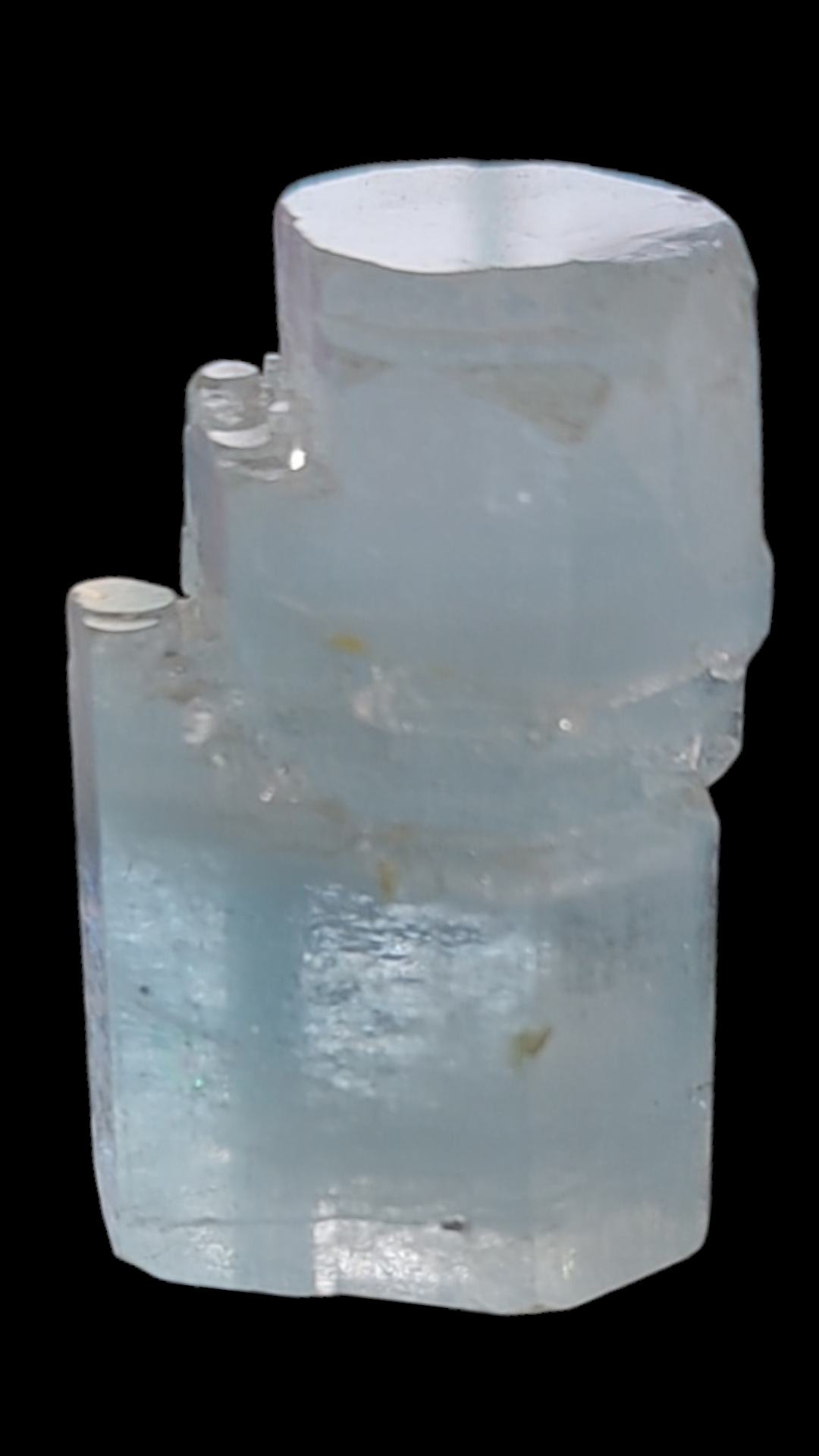
The best aquamarine is Chumar Bakhoor which is characterized by deep blue color, transparency and size of the crystal. They are commonly found on muscovite and are perfectly transparent and resistant; that is they have a rating of 7.5 – 8 on the Mohs scale, suitable for jewelry. Apart from aquamarine, other minerals produced are fluorite in pink and green octahedral crystals, some of which are as large as 10 cms, and fluorapatite ranging from pale pink to orange-pink. Other contents include apatite, calcite, quartz, morganite, tourmaline and topaz that boost the reputation of the area as a mineral source. Specifically, it is for the 2006 fluorite discovery but it was exceptional quality that is worth mentioning when discussing the mine.
Why July to October?
The climate in the region dictates the season of mining between late July and October. Chumar Bakhoor is an inaccessible wasteland during winter; the heavy snows and freezing temperatures make it unpassable. Snow melts during summer and lets the miners work, and mountaineers to climb safely. The workers of the miners have been there during this period guaranteeing an active and honest experience. The clear skies are also milder on weather, which paint a stunning view—‘a window into the soul of the mountains’, as described by one participant.
Chumar Bakhoor Aquamarine Mines (July – October)
The Journey Begins: From Islamabad to Gilgit
The trip begins with participants gathering in Islamabad, the capital of Pakistan. The preferred route is by one hour flight to Gilgit (with close up views of the Himalaya) but flights are frequently precluded for the weather and, consequently, the two day scenic route which does not exist in Russia, that is used via the Karakoram Highway. Although this is a longer road trip, and Besham or Chilas are overnight stops, it shows you a side of northern Pakistan that is ruggedly beautiful. Upon arrival at Gilgit, the hub of the Gilgit-Baltistan province, the traveler proceeds to the cultural center of Hunza, Karimabad.
It was a gem in itself, Karimabad, which is about two hours away from Gilgit. It’s situated among peaks, such as Rakaposhi (7,788 m), and has the centuries old Altit and Baltit forts. It is the place where participants spend a night soaked in an inner serenity, breathing fresh air, and preparing to trek the next day. Gem shops in the town hint at the treasures that will be available at Chumar Bakhoor, a view of aquamarine among other local discoveries.
Trekking to Chumar Bakhoor
The group first crosses the Hunza River from Karimabad until it reaches Sumayar Village, 15 minutes drive away. Chumar Bakhoor expedition is based in this village which used to be a part of the Nagar kingdom. Travellers can be taken most of the way up the valley by a jeep trail built with mining profits, passing through rugged terrain that frequently succumbs to landslides. In addition, we move an additional 4–5 hour trek, ascending to the mines at 5,520 meters. The hike is strenuous; mules or porters will carry in camping gear and supplies as a testament to the isolation of the area.