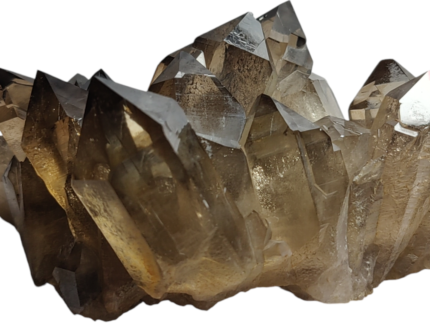
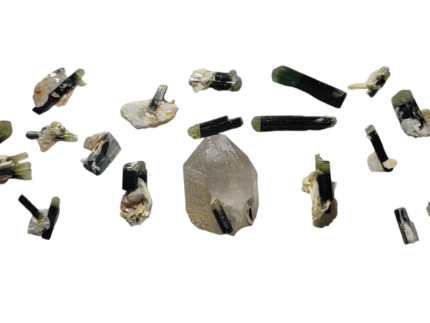
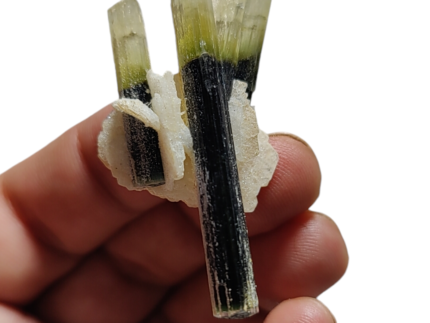
の価格-ジャワ産クォーツクラスター "米国におけるホワイトクォーツクラスターの価格 クォーツクリスタルクラスターの価格 米国におけるブルークォーツクラスターの価格 米国におけるレッドクォーツクラスターの価格 大型クォーツクリスタルクラスター販売中 天然クォーツクリスタルクラスター クォーツストーン(1kgあたり)の価格 ジャワ産クォーツクラスター")


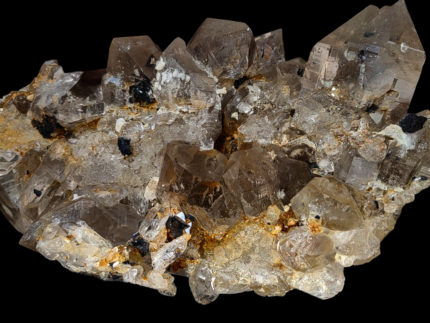
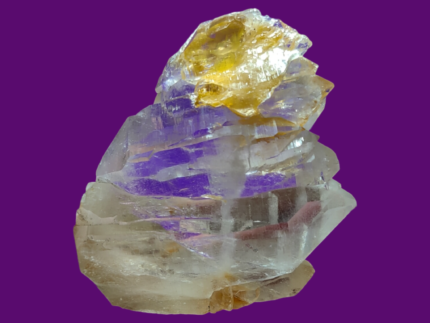
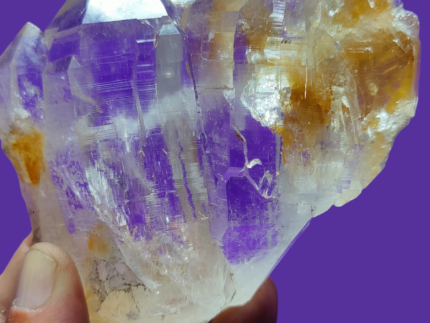
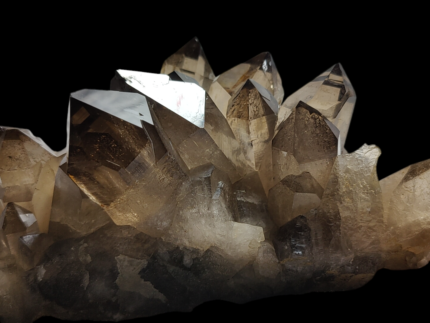
A museum quality quartz cluster refers to a particularly fine and visually impressive specimen of quartz crystals that meets the highest standards for display in a museum or high-end private collection. This quartz cluster get from the high altitude mountain of Shigar Valley Hashup mine. This piece is very beautiful and gemstone lovers. So do miss to get this Cluster. Just DM for more detail
Key Characteristics of Museum Quality Quartz Clusters:
-
Crystal Clarity
-
Exceptional transparency or a dramatic smoky/citrine coloration.
-
Little to no inclusions or cloudiness in the points.
-
-
Perfect Terminations
-
Sharp, undamaged tips on most or all points.
-
Symmetrical growth patterns.
-
-
Large, Well-Formed Crystals
-
Dominant points that are well-defined and visually striking.
-
Intergrown clusters where crystals do not obscure each other.
-
-
Aesthetic Composition
-
Balanced proportions and pleasing visual arrangement.
-
Often includes a “focal point” crystal with a dramatic shape or size.
-
-
Luster and Surface Quality
-
Glossy, bright surfaces with minimal etching or damage.
-
Absence of dull, weathered areas.
-
-
Matrix and Stability
-
A clean or attractive matrix (host rock) base if present.
-
Structurally stable—no loose or crumbling components.
-
-
Rarity or Unique Features
-
Unusual formations such as phantoms, enhydros, twin crystals, scepters, or rainbows.
-
Origin from famous localities (e.g., Arkansas, Brazil, Switzerland, Madagascar, Herkimer NY).
-
Popular Localities for Museum Quality Quartz:
-
Shigar , Hashupi mine– famous for large, clear quartz points.
-
Rondo, Tormic mine– known for citrine, amethyst, and clear clusters.
-
Hunza , Khyber Mine – “Alpine Quartz” prized for clarity and aesthetic.
-
Ghizer, Ashkumen , Emith mine, Batharath mine – Rutalie Quartz, White Quartz and normal quality