


Most Expensive And Rarest Gemstones In The World
Throughout history, people have been interested in gemstones and precious stones because of their exquisiteness and scarcity. These minerals are created deep under the surface of the earth and have different color, form, and size and often come with special properties or past that they have been known for. With the sparkle of diamond to the rich blue of sapphires, gemstone is not only an accessory of jewelry, but also as a historic memory that is embedded into human civilization. In this article, I provide the list of the 20 most valuable and unique gemstones that are described based on the main properties as well as origin and purpose of the finding.
Key Takeaways
- The diamonds, rubies, emeralds and any other kinds of gems are all prized due to their clarity, rarity, attractiveness and sometimes due to their historic significance and this determines its market value.
- Like most valuable objects, gemstones have a range of valuable minerals being diamonds, rubies, sapphires, emeralds, painite and red beryl among others.
- The gemstone market among people is very big and is thought to be producing 10-12 billion US dollars and there is a number of stones that is utilized in jewelries to be sold in luxury and designer brands.
- In the past some stones used to be classified as precious gems for instance amethysts but this was changed after there was a discovery of vast deposits of the same gemstones thus changing their rarity and hence their value.
1. Diamond

2. Ruby

Rubies, these stones with the blazing red color, are considered to be one of the most popular and sought-after stones in the entire world. They are mainly valued depending on the intensiveness of their color, their clarity, the cut, and carat weight. The best quality rubies are mainly mined at Myanmar also known as Burma, Though there are large deposits of rubies in Mozambique.
Different civilizations in the past have attributed special powers on this gemstone including its effects to the human body. It is believed that the stone can help with dreaming and sleeping, with healing of wounds, can help people live longer, improves eyesight, and brings more energy and vitality into your life. The hue continues to be popular in the market, and although Burmese lot material is easily obtainable, it is much sought after in larger and finer sizes.
Imitation rubies have been manufactured from the early 1900s, which can be a cheaper version of natural rubies. Thus, the creation of artificial corundum, including ruby, enables the use of this material in different fields, from gemmological purposes to applications within industries.
Ruby is one of the oldest and most famous gems, it is considered to be a symbol of passion and protection, as well as a talisman. For that reason, they are popular in fine jewelry, and their hardness and wear resistance make them wearable in daily use.
3. Blue Sapphire

Blue Sapphire or the blue corundum is a type of gemstone which is often referred to as the ‘Oriental Jewel’ due to its ability to produce strong colours and being extremely hard wearing. It turns out that sapphires are fancy gems that are sometimes even costlier to purchase in the market. Traditionally it is reported that sapphire has a close bond with royal families and is believed to draw fortunes and blessings.
Thus, if a blue sapphire is assessed, the possibility of high price for the stone increases if it was subjected to some kind of treatment. For instance, a heated blue sapphire that is cheaper is more available, while an untreated gemstone is very valuable. That is why it is necessary to be cautious of such techniques as diffusion or glazing filling since after that, the desired jewel becomes almost worthless.
Sapphire is such a versatile gemstone that it can be categorized in many sub categories for the market. For instance, if one wishes to buy small size Blue sapphires then it is most likely that he has to get it from Madagascar. Another important factor that is also considered as a gemstone’s value is the quality; investor and collectors mainly focus on the gems that are in the excellent or near-excellent condition.
In the sapphire market, the high-clarity material can be overpriced while the slightly included material might be comparatively cheap, good opportunities for carefully selecting the buyer.
4. Emerald
Emeralds and one of the hard stones that people are fascinated with because of its green color much associated with prestige. Emeralds themselves are a problematic area because they are subjected to several treatments that make the market somewhat diverse. These treatments may be very natural like oils to synthetic waxes and even resins which determine the durability and the value of the gemstone.
Some emerald gemstone will have flank or cavity which may be filled with wax or oil, the oil may be dyed to enhance its color and clarity. While it is an industry norm, it simply infers that buyers should exercise caution and ask about treatment when selecting the product.
It could therefore safely be said that the practice of emerald treatment is nowadays so widespread that most of the emeralads available in the market have been treated to some extent. As mentioned earlier, uncut emeralds are not common; hence, they must go through certification from different laboratories and are expensive. The buyer preferences or behavior has slightly been altered by emerald treatment in the current years due to awareness.

| Quality Factor | Description |
|---|---|
| Color | Deep green with vivid saturation is most valued. |
| Clarity | Inclusions are common, but excessive ones decrease value. |
| Cut | Quality of cut can enhance the gemstone’s color and brilliance. |
| Carat Weight | Larger stones are rarer and more valuable, especially over 2 carats. |
In other cultures, emerald gems are not only utilized in fashioning jewelry but they also possess a cultural value in that they represent rebirth and fertility or fruitfulness among people. These natural elements combined with the desire for green visions of good-fortune render them a popular gemstone among the high-end apparel line.
5. Alexandrite
Alexandrite is one of the most beautiful gems as it changes colors frequently and at remarkable intensity. During the day it glows in a bright emerald green tone and at night it turns into a deep ruby color. This is due to the fact that the stone is birefringent and this property results in it exhibiting one color when viewed from one position at different light conditions while from another position it will exhibit another color.
This gemstone’s value depends on several oar, yet clarity plays a significant role in the light reflection so its color-changing capabilities. Alexandrites of ‘High Clarity’ classification are highly desirable and thus costlier. There could be certain natural imperfections, but this reaction remains quite striking in natural Alexandrites and the stones that are most desirable should demonstrate 100% color change.
Alexandrite is not only seen as an aesthetically valuable stone, nevertheless it also is endowed with significance. People think that the stone represents the concept of symmetry and equanimity and it can be linked with such attributes as being lucky, prosperous, and attaining a state of self-improvement.
Occasionally, some Alexandrites can contain visible inclusions of rutile, providing the gemstone with what is known as the ‘cat’s eye’ effect. This aspect contribute to the beauty and worth of the looked gemstone and makes the differencje between stones that resemble Alexandrites but are not real ones.
6. Natural Marine Pearls
Natural marine pearls can therefore be described as some of the most sought after and elusive gemstones on earth. This is because they are natural and the kind of sheen they have can only be compared to no other kind of beads. Pearls are developed from secretion within the shell of some mollusk species as a response to a possibly invasive intruder like a parasite. The mollusk constantly produces layers of aragonite and conchiolin, compounds that – when combined – form the stunning and shiny nacre, or mother of pearl.
It is worth knowing that natural marine pearls are quite rare in the present day. Over 90 years of pearl harvesting it is estimated that 90% of natural saltwater pearls currently in the market were produced. Due to the growing difficulty in obtaining them and their unwavering demand, pearls have become even more precious due to their limited availability. It is quite a cumbersome and demanding practice that involves searching and collecting natural pearls from overly exploited mollusks.
Since ancient times pearls have been admired for their brilliance and sophistication in part being symbol of purity and knowledge in numerous societies.
There are different treatments that are taken on pearls to make them visually attractive. One of the most familiar processes is bleaching, which helps to eliminate additional hues and enhance the appearance of the required ones. This is sometimes succeeded by impregnation which adds to the hardness of the gemstone. However, these changes were carried out, the natural qualities of pearls simply cannot be replicated.
7. Painite
Painite earlier considered as the scarcest gem on the planet was attributed by British gemologist Pain in 1956 in Myanmar. It is very rare and based on the borate mineral composition, many enthusiasts consider it a great asset. First painite of mineral which was identified as the new mineral was found in Burmah.
Even though these are rare, deposit discoveries occurred, yet, it is highly demanded gemstone in the world today. Painite has a dull, brown to reddish-brown color resulted by the presence of iron and zirconium in its chemical makeup.
Being a very rare gemstone along with its beautiful blue green color, makes painite a very special piece in the world of gems that everyone would like to have in their collection.
They are mainly decorative, mainly due to the extreme scarcity, however, interest in this stone is deserved among representatives of the scientific community of mineralogists and gemologists who study this stone to understand how it appeared and what characteristics it possesses.
8. Red Beryl
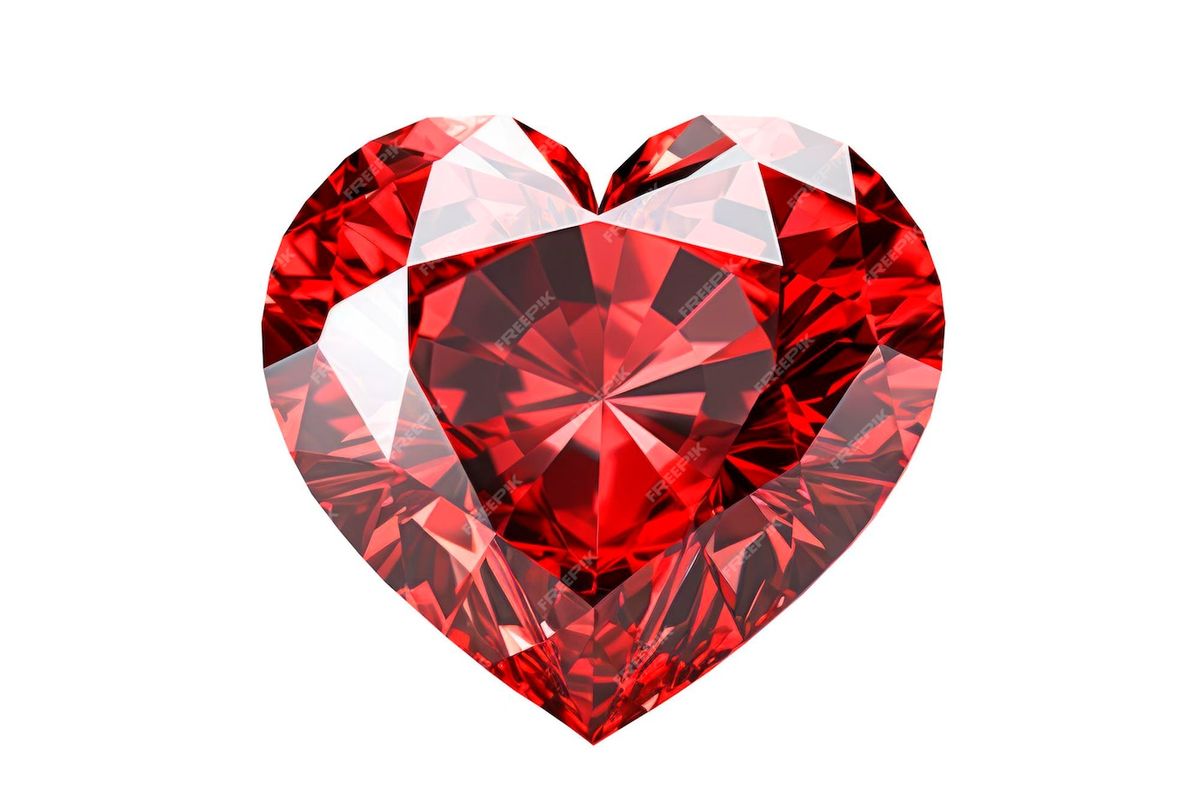
Red Beryl, also known as bixbite, is a relatively rare gemstone that was first found in 1904 near Beaver in the Utah region. Red Beryl is a Beryl, which is a mineral species that produces other stones that are popular as emeralds or aquamarines, it gets its name from Maynard Bixby, who is an American mineralogist. Red beryl, in contrast, is too rare to be considered a familiar gemstone; it is so rare and is found in gem quality that is so rarely that it is more of a novelty to those who collect gemstones.
Red beryl is what is known as an ” Indicator Mineral”, and the specific conditions that it was formed under are incredibly rare in occurrence. We can state that in terms of both rarity and cost, red beryl is one of the rarest and most expensive gemstones on the planet. What seems to look like ruby is a reddish material used to create the instrument, and it differs from ruby in both chemistry and color.
A natural red beryl is incredibly rare and thus fascinating and highly appreciated among collectors and in jewelry-making.
It is there important to know that while synthetic beryls do exist, and while emerald is the most common to be synthesized, the synthetic red beryl is significantly more rare. In the synthesis of gems, flux or hydrothermal growth techniques would be employed; however, red beryl has a characteristic that would make its synthetic replication a difficult proposition.
9. Amethyst
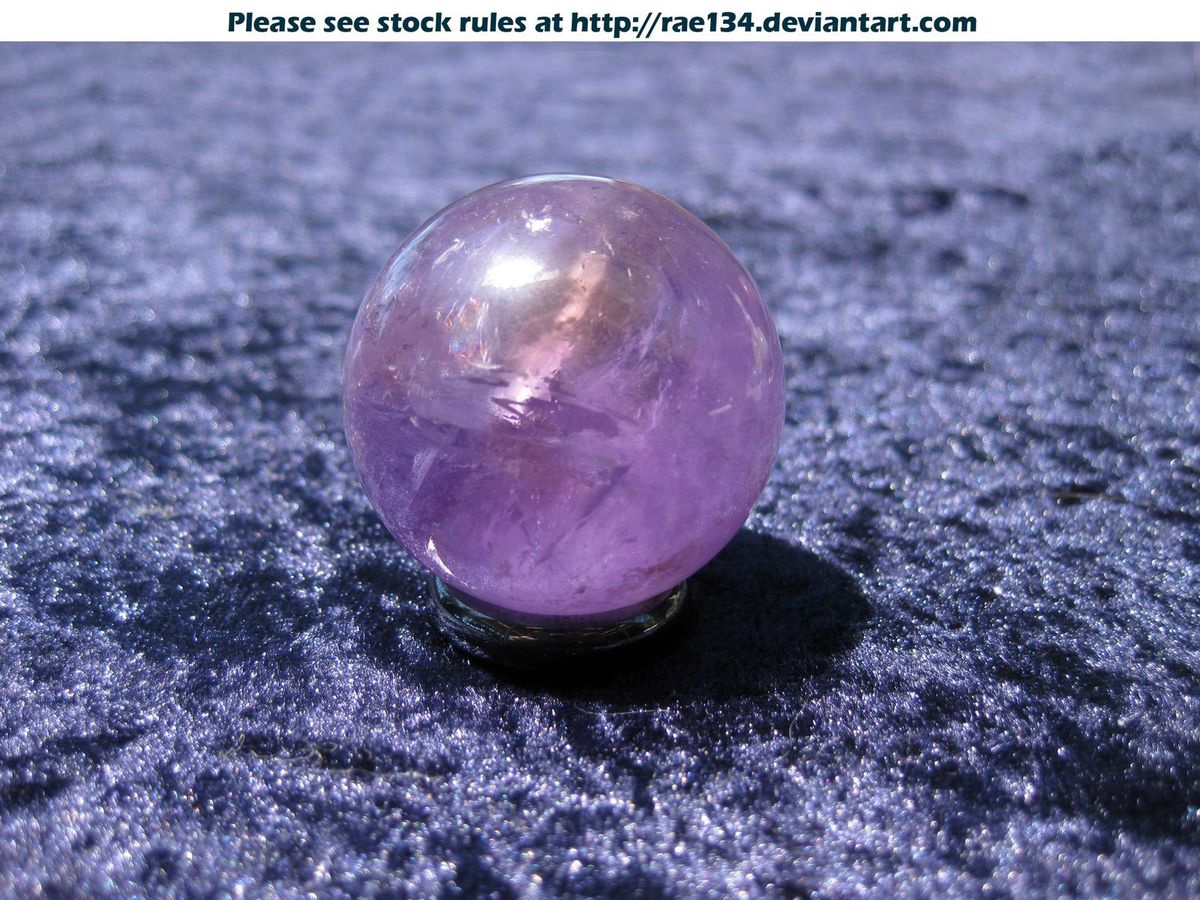
Amethyst must have some shade of purple that may come in light lavender and deep violet or simply violet. This is a type of quartz and can be used in almost any piece of jewelries, including rings, necklaces, earrings, among others. This gemstone is not only appreciated by reveging looks but it is also believed to have a curative effect on the body.
Different meanings associated with amethyst include purging, control, hope, stability, courage, and balance. It also has beneficial impacts in physical, emotional, and metaphysical levels. In physical level it can be used to heal wounds and aches while in emotional level it helps to lift the spirits of those who are emotionally down.
To be specific, amethyst is not only an ornament or piece of jewelry today. It is said that the practice of it creates a sense of tranquillity and is used in some forms of meditation. Τuristically and scientifically, for collectors and other enthusiasts, amethysts are also valued because of their formations into crystal shapes and their use by many cultures.
10. Aquamarine
This dazzling stone displays a befitting name Aquamarine, a blue gemstone derived from the mineral beryl which is similar to the emerald. It has high nurturing hue said to still the waves and protect sailors at sea, a myth that originated centuries ago. This gemstone not only for its beauty but also for the outstanding Clarity and durability that made premier choice of Jewelry designers.
Košice and Mária, op cit In many cases, Aquamarine is available in larger crystals that make it possible to obtain large gemstones that may be cut in different forms. Therefore, the cost of aquamarine depends on its tint, and a deeper blue is most valued. Unlike some other gemstones, aquamarine luster is not affected by artificial light hence can fit in each type of environment.
Aquamarine is blue beryl. It has been known for its therapy purposes reaching as far as ancient times and was traditionally linked to mermaids and sailors.
The gemstone is also believed to possess powers in the healing process according to its properties that are correlated to calming and washing, and most especially to those people who tend to be pressured with the responsibilities they have.
11. Peridot
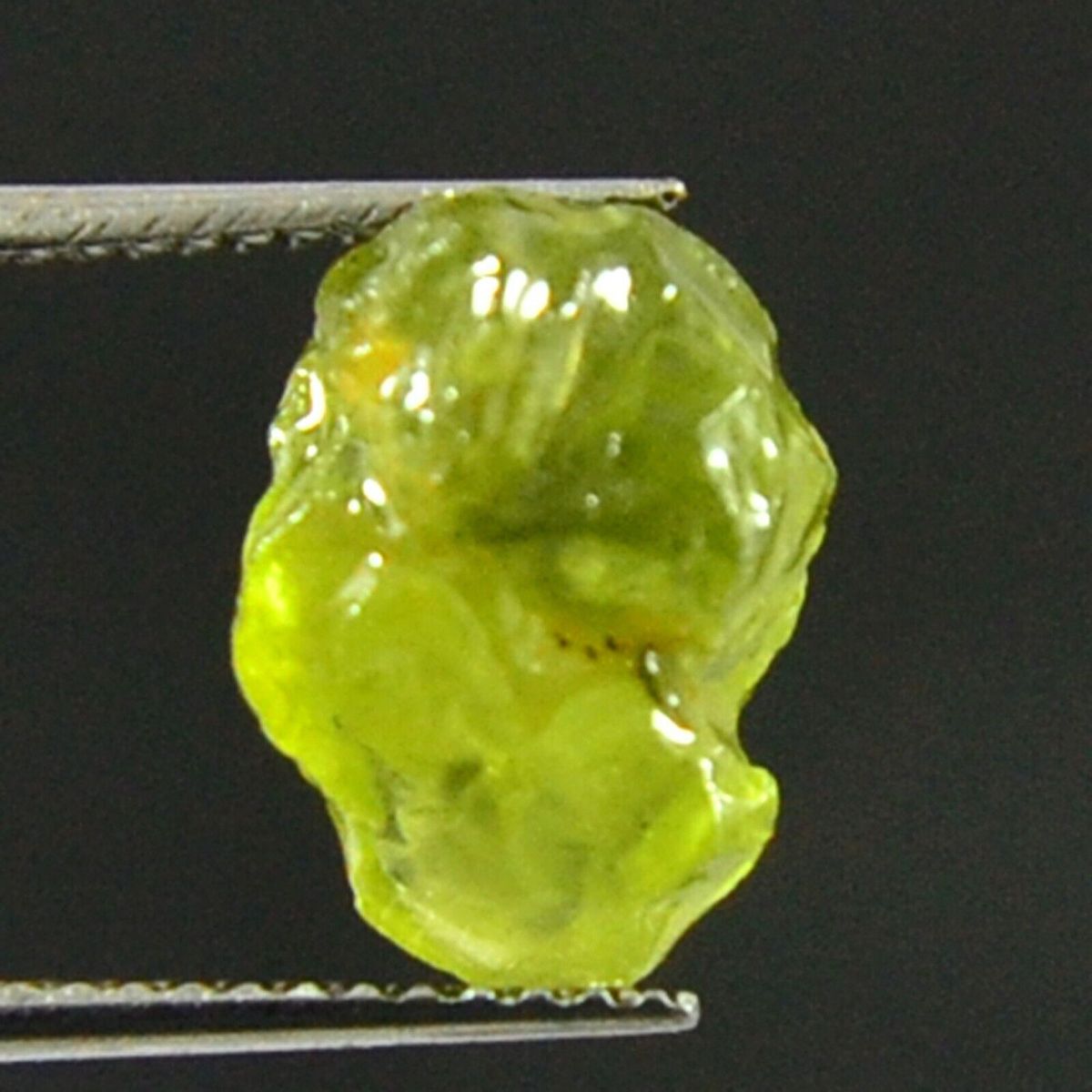
A light green gemstone known as peridot or the ‘evening emerald’ has been holds a good appeal. Its green shade of color diagram remains the same but does not appear as on the artificial light and thus is rare in the market. Peridot has been mined on the Red Sea island of Zabargad since that time, around 3500 years prior to the arrival of Alexander the Great. At the current time, it is possible to speak about China, Myanmar, Pakistan, Tanzania, Vietnam and the United States as sources of supply.
It is a silicate mineral and also a part of the olivine group with color shades varying from yellowish green to olive shade and even brownish green. Peridot is relatively soft when ranked on the Mohs scale of mineral hardness, having a 6. In terms of hardness, opals is rated between 5 and 7 on the Mohs scale, and should be used cautiously so as not to scratch easily.
It may be mentioned that the metaphysical properties of peridot are supposed to be many. It is believed to hold the magical powers of showering luck, good fortunes, and most importantly, improving happiness in marriage. There are also beliefs that this gemstone has a curative effect that helps to free oneself from negative emotions and bring clarity into the life of the person.
It is one of the great stones of prosperity that assists us in acknowledging, appreciating and cultivating abundance into our lives. This can mean tangible possessions like money and resources, although it is not limited to that, and encompasses mental and spiritual well-being as well.
For the purpose of use, peridot is mostly used in setting in jewelry like rings, necklace, earrings etc. due to its one-color-looks-like-another schottky that makes it be on high demand among connoisseurs of gemstones as well as jewelers. For all its lack of hardness, it will fit in different circumstances, but this would need to be safeguarded against abrasive use.
12. Cat’s Eye (Cymophane)
13. Andalusite
The Cat’s Eye or Cymophane is a striking gemstone that has remained at the spotlight from different collectors and jewelers across the different ages. Its most prominent part is the luminous band that ascends horizontally down the surface of the stone and when moved, blurs like the slit eye of a feline. This we called as chatoyancy is an optical phenomenon that occurs in certain gemstones.
Other minerals that are used to create Cat’s Eye gemstones include alexandrite, Nepalese Cat’s Eye, and the Russian Cat’s Eye; however, the primary mineral found in most Cat’s Eye gemstones is chrysoberyl. These are usually of different colors which vary from honey colored to greenish shade but the intensity of the eye effect commonly defines the value of the stone. Across civilizations and ages, the Cat’s Eye was valued for their spiritual and therapeutic powers, being used as accoutrements to magnify spiritual and physical well being and prohibit evil forces.
Due to the scarcity of Cat’s Eye gemstone in the market, the desire to possess the gemstone is fueled by its use for exquisite jewelry items. It is used in rings, pendants and brooches as if it brings the human eye closer for a view of its entrancing eye. However, even to date, the stone has not gained a lot of popularity among the people and is hardly known by everyone as compared to stones like diamonds and rubies.
Another reason is the appeal of the Cat’s Eye is due to its cut and the fact that there are legends surrounding these stones, which are said to be the protector amulets.
14. Axinite
Axinite is not a common variety of gemstone and is characterized by its crystal structure in flattened blades and shades of earth tones from a warm honey-brown to deep plum. It belongs to the Axinite Group, which is a group of triclinic borosilicate minerals that have a great demand due to their scarcity and ability to be seen in many colors at one time depending on the angle of observation.
As far as its story goes, axinite has no as rich story as some other gems but it has been prized for its beauty and its metaphysical properties for ages. It is commonly employed in jewelry and as a collector’s stone mainly because of its rarity and this particularity of the glassy appearance that many gems demonstrate after being cut and polished.
Properties of axinite include:
- Hardness: 6.5-7 on the Mohs scale
- Specific Gravity: 3.26-3.36
- Refractive Index: 1.674-1.704
15. Cassiterite
Cassiterite is an oxide mineral that conatins tin, which is an important metal that was used in ancient times and is is still widely used today. It is commonly accepted that cassiterite has many metaphysical and healing qualities. According to the information, the grounding energies of this stone are believed to assist in the anchoring of the person into the earth where he/she feels safe and shielded.
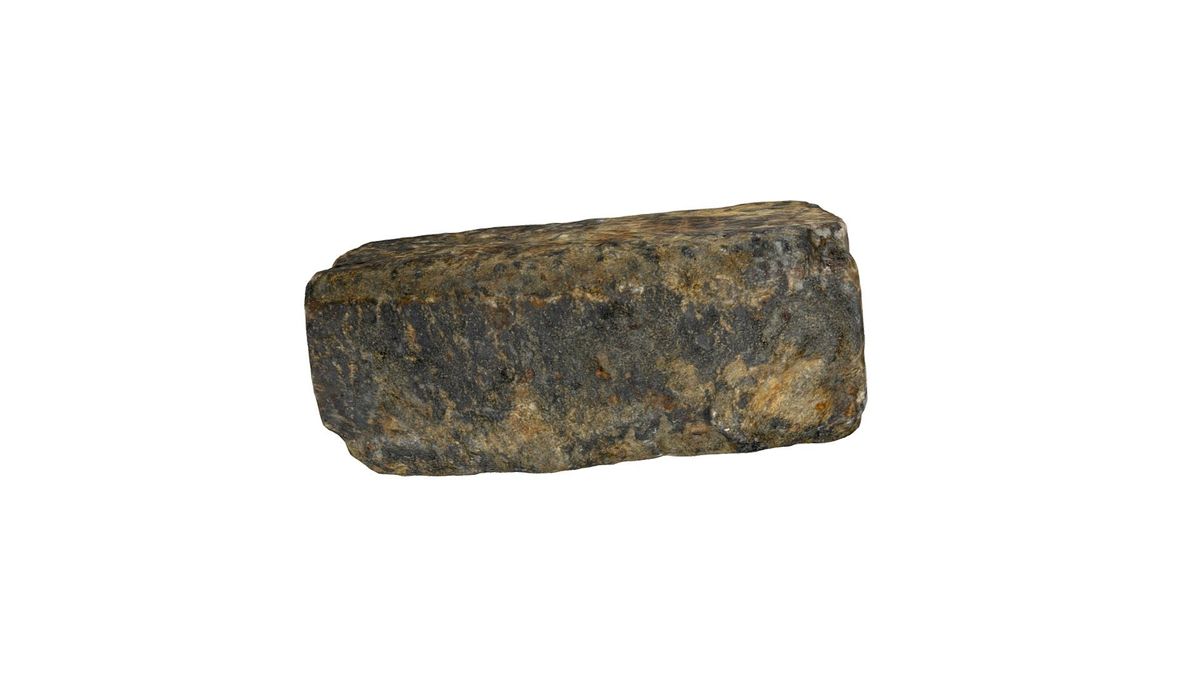
Cassiterite occurs as a mineral and is not common, it occur in hydrothermal veins and pegmatites. It is very shiny and it can be very colored from black to brown, to red, and even yellow. The mineral has a high density, good dispersion, and it is perfect for collecting and for users of gemstones.
Cassiterite has been popular in the past due to its tin content that plays a major role in the manufacture of bronze and other alloy materials. Tin was first extracted and used thousands of years ago, in around 3000 BC.
The physical characteristic of cassiterite renders it significant apart from being a source of tin since it is used in other industrial processes. It is incorporated into ceramics for manufacturing, as a coating agent, and in the making of particular kinds of glass.
16. Clinohumite
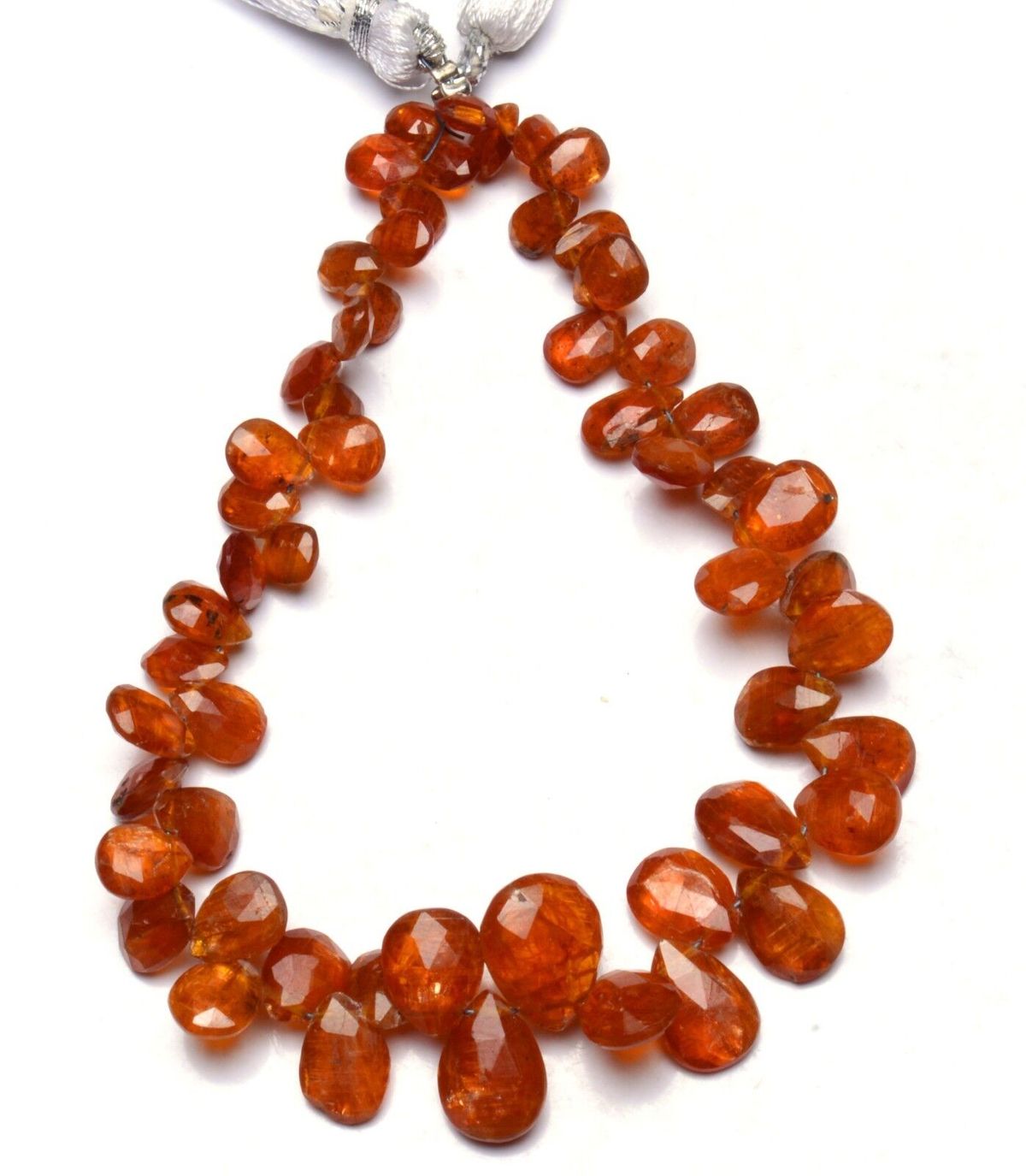
As you may know, clinohumite is a very rare kind of gemstone that is classified as one of titanate minerals, which might be found in metamorphic rocks. The Beatific’s hues are from orange to yellow, which attracts many collectors of stones. Clinohumite is not only beautiful but also rare and has some useful applications that even prompted people of bygone ages to collect them.
On a cultural context, the gem has a long-standing background traced in several practices in the field of new age healing. According to historical information, clinohumite was also prescribed by various healers for different diseases during ages, relying on its ability to play the role of an effective remedy and bringing comfort in pain. Although it is not as common in today’s jewelry since it now classed as rare, the presence of this metal in any piece of jewelry adds a sense of class to it.
Clinohumite has low abundance and often features a rich reddish-brown garnet hue that has not been observed in other members of the humite group due to the specific conditions that were necessary for its formation – high pressures and temperatures like those that occur at the bottom of the ocean.
Clinohumite properties also consist of this gemstone’s hardness that enables cutting of gemstones in various patterns. But in the same respect, this makes it much more difficult to make shape and work with; it has what I can only describe as a perfect cleave. Here’s a quick overview of its properties:Here’s a quick overview of its properties:
- Hardness: 6-6.5 on the Mohs scale
- Cleavage: Perfect
- Color: Ranges from light yellow to deep orange
- Transparency: Transparent to translucent
17. Opal
Opal is one of the most fascinating and enchanting gemstones on earth; a gem known for its fire and its inner chemistry that causes it to scatter light into a pattern of colours. The Black Opal is highly popular and is mainly produced in New South Wales, an area located in Australia. Owing to its scarcity and the intensity of its shade possible, this gem is sought by collectors and lovers of jewelry.
Originally, opals were ranked among the precious stones together with diamonds, rubies, sapphires, and emeralds. It was even considered valuable enough to be classified as the ‘precious stones’ before Brazil produced vast quantities of amethyst in the nineteenth century. Up to date, opals are prized for their aesthetic value and can be incorporated in the various classes of jewelries including rings, pendant etc.
Opals are unique gemstones that display a play of color mixed with brightness, shimmer, and sparkle.
The properties of opals can be summarized as follows:
- Type: Mineral gemstone
- Composition: Hydrated silica
- Color range: All colors
- Mohs hardness: 5.5 – 6.5
18. Jasper
Jasper belongs to a group named chalcedony which is a microcrystalline silicate mineral of quartz. Long appreciated for its rorgotten color and gorgeous pattern, jasper is a type of quartz that has been considered valuable for centuries. It’s andossa’s gorgeous versatility is the main reason that connoisseurs of gemstones and jewelry designers love it.
Jasper occurs in minable formations in several parts of the world, and some of the most productive locations are in India, Russia, and the United States. It can even include organic materials and mineral oxides which results into such special patterns as well as the color varying from red to yellow, green and blue.
Jasper is widely used in production of jewelry and other product such as ornaments sculptures etc. A more important point is that bone can be polished to a great degree and its designs are unique, thus each product is rather individual.
Jasper has some unique properties such as scratch resistance, it has a measure of hardness approximately around 6. Diamonds are considered to be the hardest materials known to man with a Mohs hardness rating of around 5 to 7. In the previous centuries jasper was considered to be pigmented with protective properties and was used as an amulet.
19. Jeremejevite
It is a borate mineral of aluminum, fluoride and hydroxide, which is commonly classified as a member of jeremejevite group. It is reported to have occurred initially in the Adun-Chilon Mountains, Siberia in 1883. This gem is respectively as hard as quartz, 6. 5 to 7. Quartz that falls on the Mohs scale of 5 is appropriately suitable for use in jewelry making. As for average cost, the totally cost is € 1,729 or $2000, at the weighted mean price per carat.
20. Obsidian
Obsidian is an igneous rock formed through the process of solidification of the extrusive type. It forms when a felsic lava has been erupted on a surface of the earth and cooled down with a relatively small amount of crystallization. Obsidian is characterized by a high-gloss smooth finish, and when cracked can be exceptionally sharp, which is why it was much valued in tool making and decorative artifacts.
In the past, obsidian was employed by Native Americans and numerous other tribal cultures for tool-making, weaponines, implements, and decoration. As you can observe here, its advantages are enormous: it can be broken and knapped into Desirable sharp edges that are useful in arrowheads, spears, and cutting instruments. Obsidian was also used in the old world by citizens of Aztec and Greek civilizations for practical as well as aesthetic or ritualistic reasons.
It was not only an attractive and easily workable material, but obsidian also had other important uses beyond meta; the physical characteristics of the artefact. It is also used in jewelleries and is commonly used as cabbie stones to display the naturally produced colour and sheen.
It is not as hard as some other gems but obsidian does have that deep sometimes more mysterious color and is how it was made to work with light. It is being washed in black but some instances can be found in green, brown and red colors.
Asked Questions
What factors determine the value of a gemstone?
According to the article, the measure of value for a gemstone is factors such as its clarity, rarity, absence of defects, beauty, and demand among other things. Apart from basic supply-demand factors, coloured stones have strong market forces and diamond prices include a range of factors.
What is a gemologist, and what do they do?
Gemologist is a specialized person who is involved in the assessment of gems with respect to their origin, color, clarity, and the manner in which they have been cut. It also involves in sourcing, trading and certification of gemstones.
Are pearls considered gemstones?
Pearls ranked as one of the precious gemstones but are not mineral in origin since they are formed from organic sources that are produced by mollusks. Today they are still appreciated in gemstone market for being unique and rare products of natural forces.
What distinguishes precious gemstones from semi-precious gemstones?
In the past, the gems were a class that comprised only diamond, ruby, sapphire, and emerald known as precious stones. But this classification is now rarely applied in the gemstone market and numerous gemstones are used, especially in expensive jewelry.