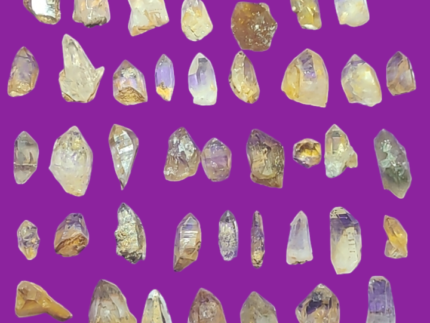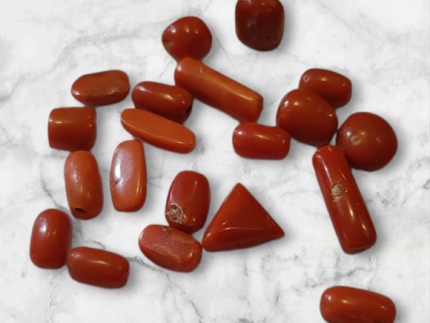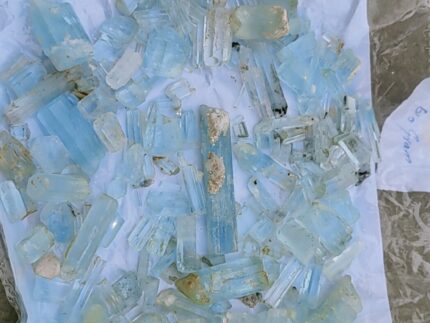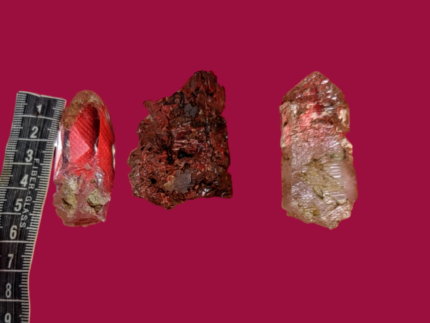
What makes it special is that it has gone through the natural etching process to conduct special water etched patterns on the surface of a topaz crystal.
Formation:
Water etching occurs when topaz crystals are exposed to water, either:
Wild (such as in waterways, streams, rivers or gullies, or in caves)
It can occur through the natural decay of the rock forming process (such as through weathering and erosion).
The topaz has its surface washed with a water stream that forms channels and patterns on an atomic level.
Characteristics:
Intricate patterns: Channel, groove, pit and etched face.
Surface texture: Glossy, matte, or slightly to somewhat grainy.
Clarity: Transparent to translucent by the variations in etching depth.
Colors: May exhibit low intensity hues or impurities.
Types of Water Etched Topaz:
Natural Water Etched Topaz: Grown through geological activities.
Artificially Etched Topaz: It is artificially produced hence manufactured through standard stereotypical laboratory procedures.
Rarity:
Few mineral specimens have been reported to be etched with water and even fewer are those exhibiting intense topaz etching.
Locations:
Found in:
Brazil
Pakistan
Sri Lanka
USA (for example, California and Utah)
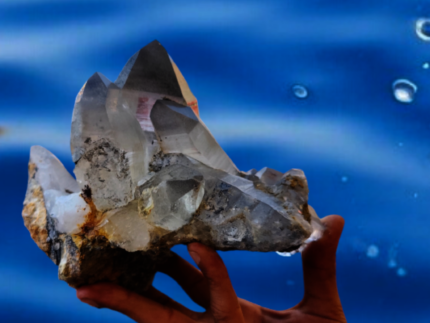
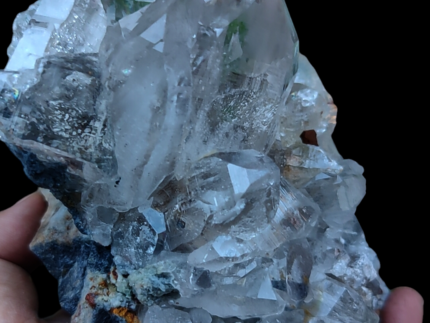
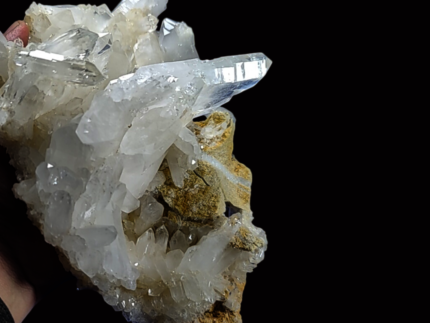
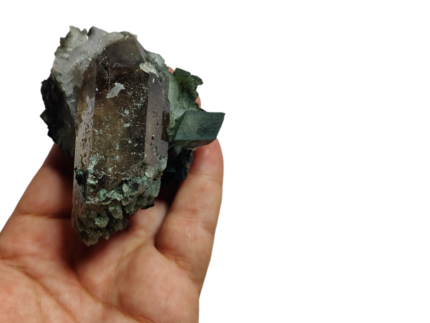
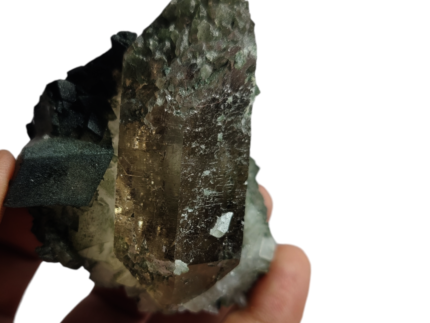
quartz cluster combine with hematite stone from the high altitude moutain shigar valley